
Handwriting – whilst still commonplace – is slowly disappearing from our modern lives, with typing becoming an ever-larger part. Whether it be on a physical keyboard, a touchscreen, or through voice dictation, technology slowly shifts us from even needing to handwrite. And this – in my incredibly biased opinion as a hobbyist calligrapher – isn’t a good thing.
The story of handwriting began all the way back in the very first civilisation: 3000BCE, Mesopotamia. Sumerian scribes would forgo using a chisel to make notches and symbols into stone, preferring a reed stylus that pressed marks into wet clay tablets. One of my favourite memes was created this way: the complaint tablet to Ea-nāṣir. Described as the “oldest written customer complaint” by Guinness World Records, and currently held in the British Museum, the clay tablet was a message from a dissatisfied customer demanding a refund (how original!) for poor quality copper. Whilst clearly effective for retaining text for extended periods of time, clay would also smudge easily and was therefore in dire need of replacement.
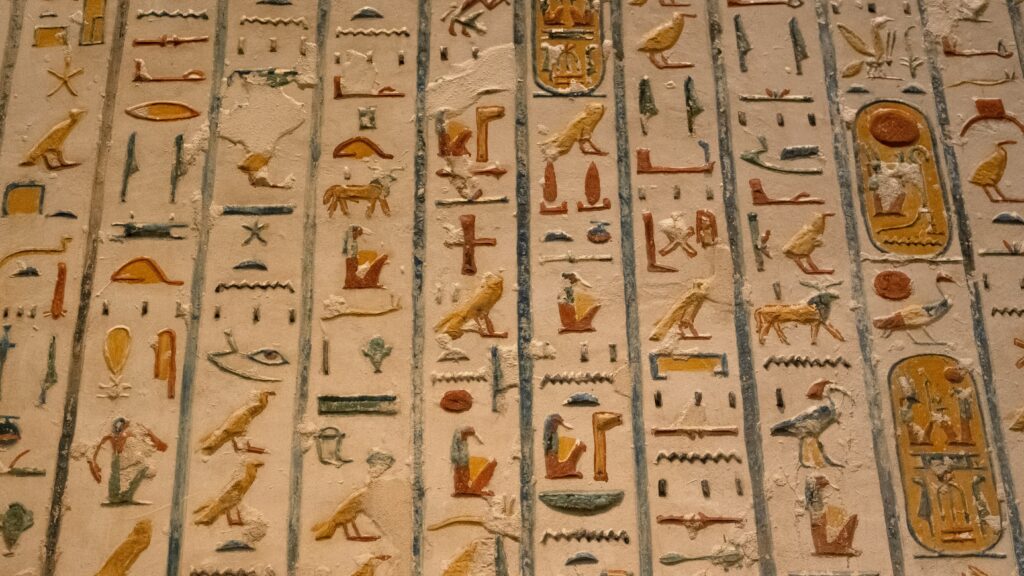
The Ancient Egyptians rose to the challenge circa 2400 BCE with reed brushes, ink, and papyrus. The use of ink sped up the writing process considerably, but so did another invention of theirs: cursive! Hieroglyphics were given a simplified and connected form that could be written quickly with reed pens, creating the hieratic script. The hieratic script strongly influenced the Phoenician script, which then became the Greek script, which was then modified to become the Roman Latin script that’s been in use for the last 2500 years or so – including for English.
Roman Latin script was refined into New Roman Cursive around 400CE, with fairly standardised letter forms. This was written with a broad-edged pen, creating the thick-and-thin line variance seen across almost all Western calligraphy today. The next few hundred years became a repetition of the same cycle: regional variants of writing would become too difficult to read, so then a new standard would be created, which would then develop regional variants, which then required standardization.
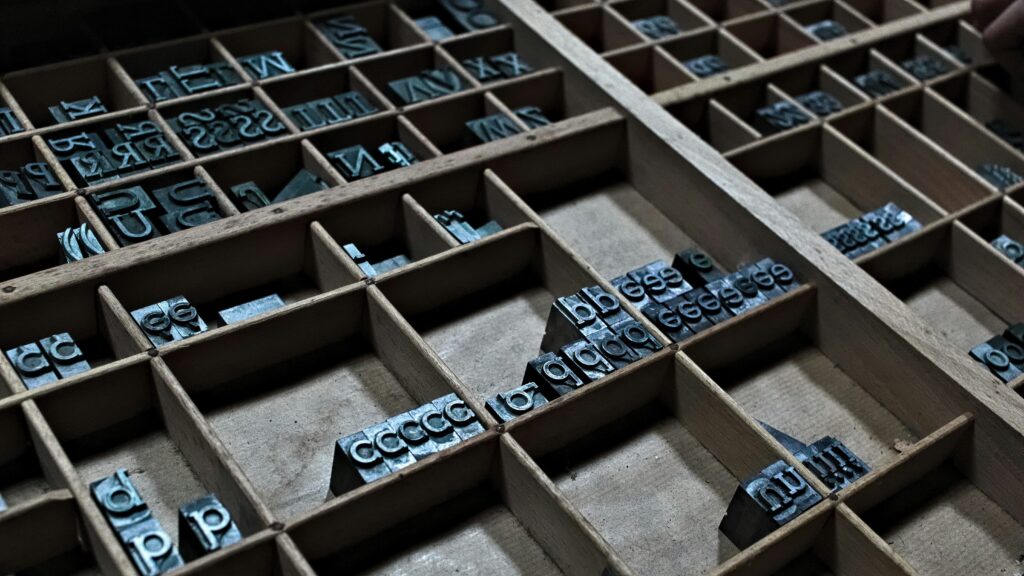
The printing press, quite ironically, helped a lot with the development of cursive and calligraphic writing. Even though printing effectively eliminated the need for professional scribes, it also standardised letterforms and increased literacy rates. With more people being able to read, more people would want (or need) to produce their own texts, which had to be done by hand. Fortunately for them, a common category of text produced by the new presses were manuals on writing, furthering the likelihood an ordinary person would be able to pick up the skill of writing. These writing manuals were often engraved with copper plates, giving rise to the most recognizable and widespread type of Latin script calligraphy: Copperplate.
Eventually, cursive and calligraphic styles of writing fell out of favour as a handwritten print. Partly because of the invention of the ballpoint pen – which reduced the advantages of continuous strokes and worked just as well with print – and partly due to the invention of the typewriter – which was preferred by businesses and academics for documents. Cursive lost popularity relatively quickly compared to many linguistic phenomena: 50% of SAT essay responses were written in cursive in 1990, down to only 15% in 2000.
There are many neurological benefits to handwriting. From increased brain activity associated with a readiness to process and store new data, to superior memory encoding for handwritten information compared to typing, even to mitigating age-related cognitive decline. It’s (at least in part) for these reasons that handwriting makes the occasional resurgence, but it seems undeniable that it occupies less and less of our daily lives as more and more textual data takes a virtual form. Even for this article, I type this into my word processor of choice instead of handwriting – though I did consider handwriting and scanning the entire article, before deciding that would be cumbersome both to produce and to read.
Therefore, the use of typing for almost every productive task has made handwriting fill a different niche, that of a more mindful and intentional activity. Admittedly, not a particularly popular one, but one that I take great interest in. Here are some calligraphy samples that I’ve produced – just in case they’d encourage you to give some more thought to handwriting as a hobby.
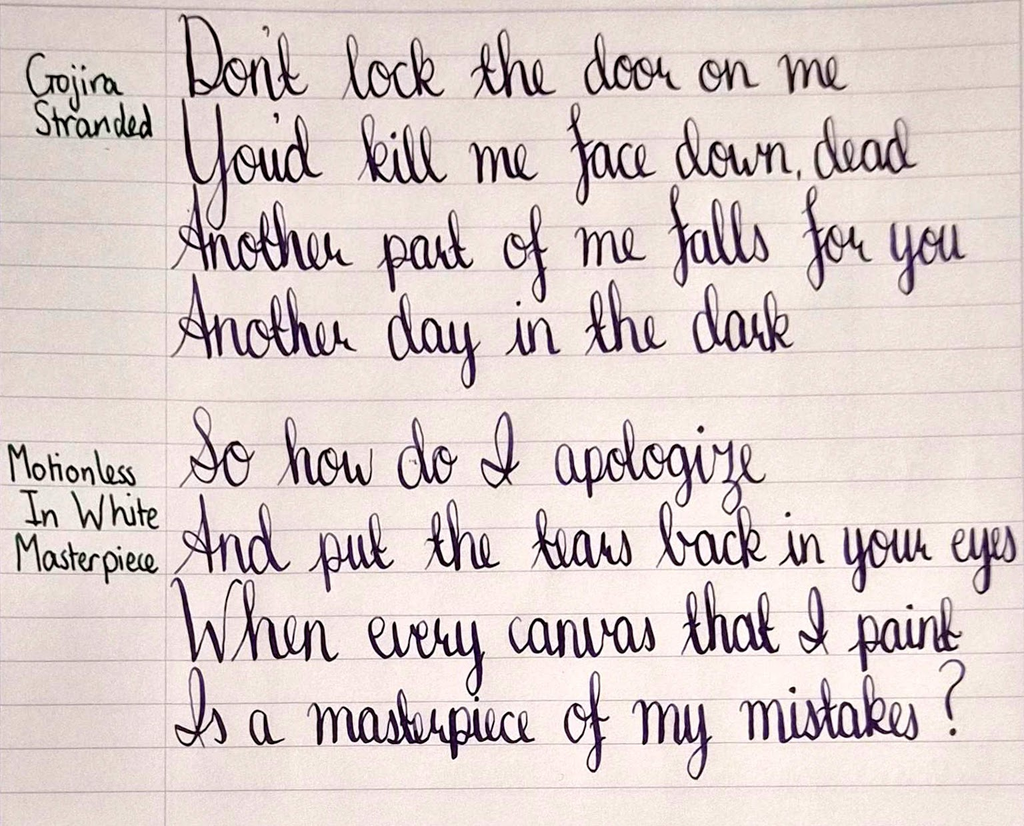
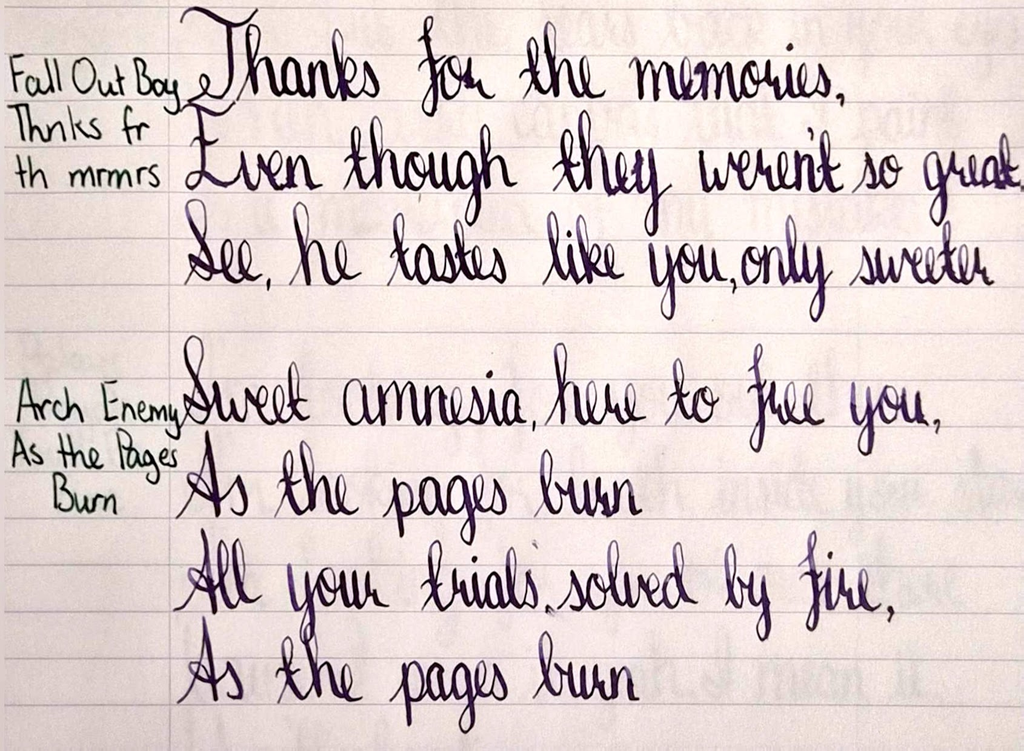
Yes, all of them are song lyrics from emo/metal bands. No, it’s not a phase!
Leave a Reply