Category: 2016-2020
-
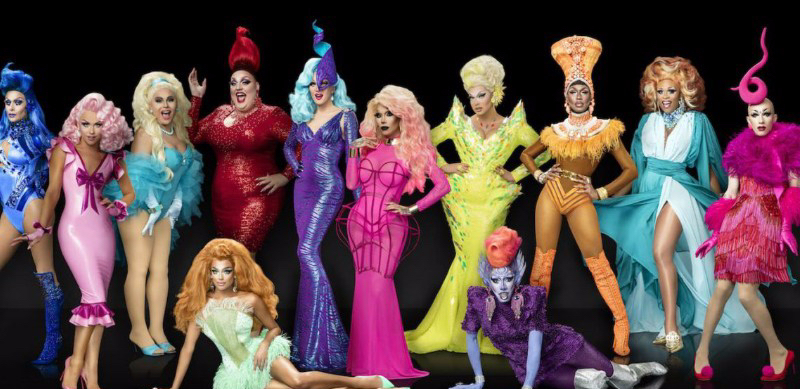
Now Sissy That Walk – The Language of Drag Culture
At long last, the world of drag queens has moved from the underground dive bars of New York City and become a part of mainstream pop culture around the world thanks to RuPaul’s Drag Race, a competition that puts drag queens through their paces to find the next drag superstar. Despite being shown on American…
-

Two Weeks in Geneva
Photo credits: flixbus.com A few months ago, I found myself totally out of my depth at a human rights summer school in Geneva, with peers much older, smarter, and more experienced than me. If you, like me, have always been an overachiever (and may have potentially peaked at 18 but are trying not to think…
-
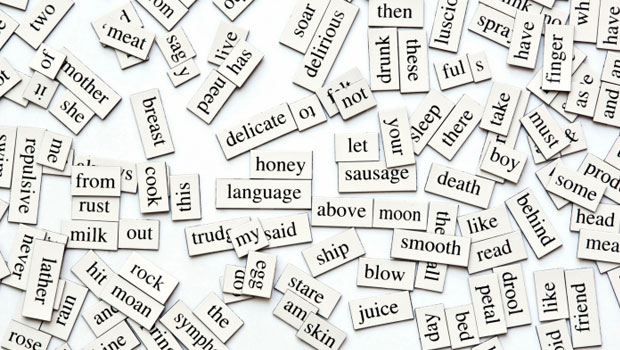
It’s a post-truth world after all…
Photo credits: veritcalresponse.com Oxford Dictionaries have named ‘post-truth’ as their 2016 word of the year, and what a great word it is. Don’t get me wrong, it is terribly depressing that we are in a post-truth world, but in terms of linguistic selection a valiant choice has been made. ‘Post-factual’ sounds a bit more fancy…
-
Baby Talk: What and Why?
‘Baby talk’, also referred to as motherese, caregiver speech and Infant Directed Speech (to name a few) is a term regularly used in Linguistics – specifically in the study of Child Language Development – to describe the way adults talk to young children. Agreed by a range of Linguists, ‘baby talk’ is a widely accepted…
-
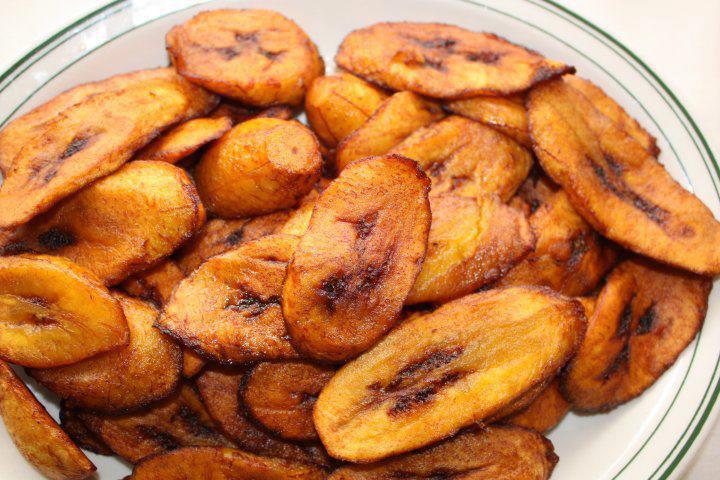
Plantain: The Age Old Debate
There is only one question which has been befuddling mankind since the dawn of time. It does not have to do with the sequential beginnings of the chicken nor does it involve our purpose on this earth. It is a topic which embodies true happiness and delight, one that changed my life for the better.…
-
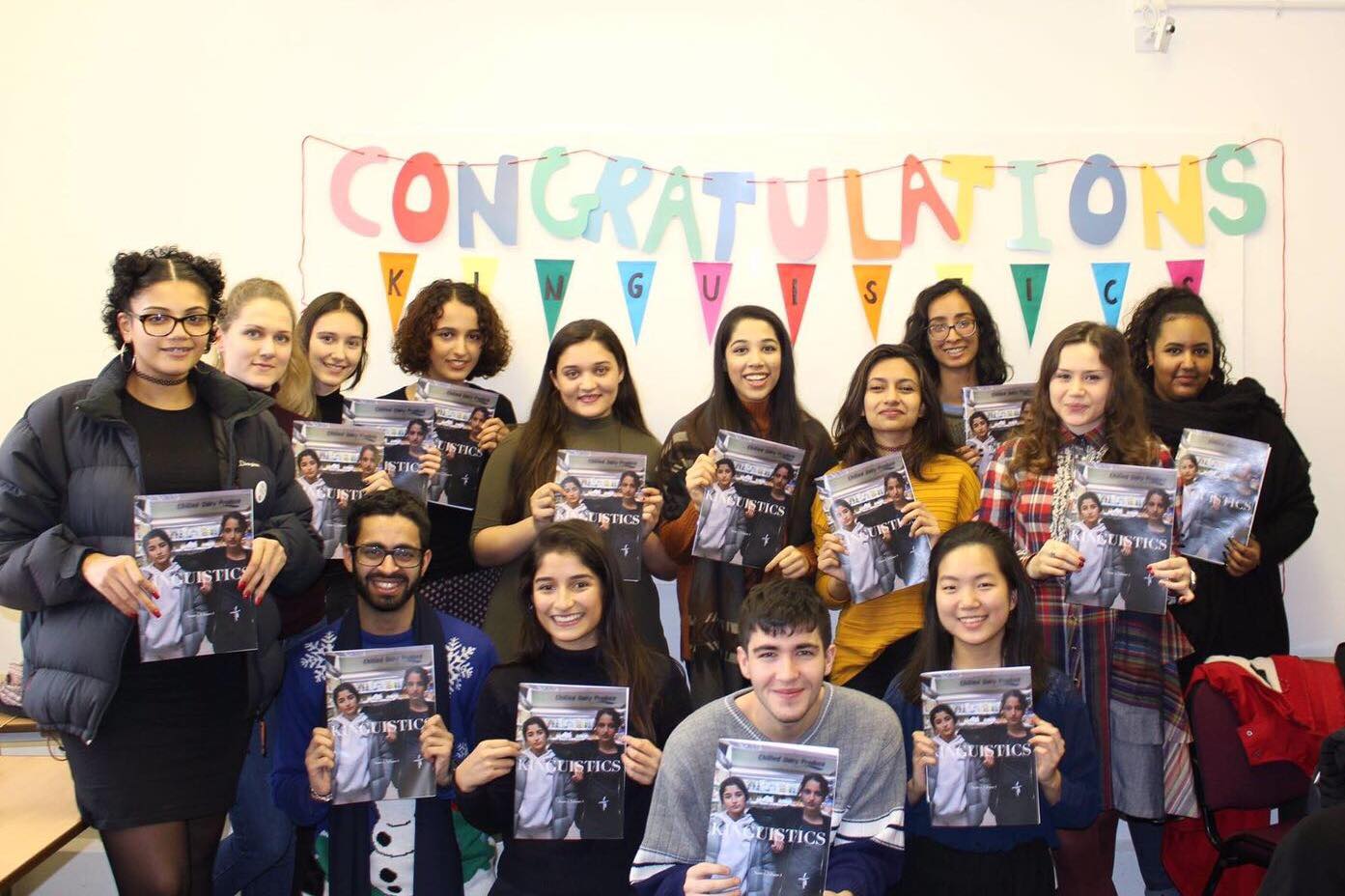
The More the Merrier: Why it’s a good thing to get non-academics interested in language
Most people don’t think about the words they use every day, and yet everyone just gets it without conscious analysis. Most people certainly do not write a 10,000-word report on an interaction they just had with a telephone fundraiser, or any other banal everyday occurrence, for sure. They are normal people. And yet, ordinary people…
-
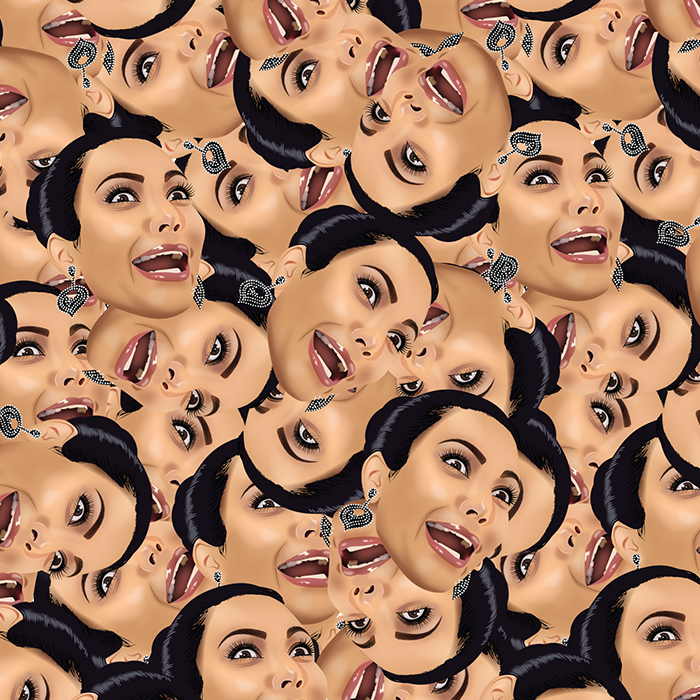
The Self-Made Celebrity
Photo credits: kimoji The rise and power of social media has shaped this generation, from the way we document our lives to the way we communicate, with its power even transcending to how one becomes famous. Gone are the days where people were celebrated members of society for their contributions to film, say, or sport.…
-
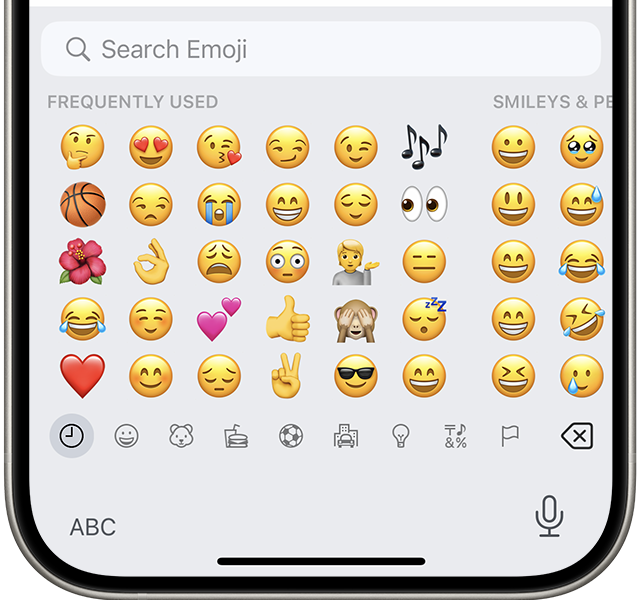
Insert Emoji Here
Note: This article is not meant to be read as a conversation between two people.
-
Language Lessons from the Cool Kids
Photo credits: Marwa Fichera With words such as ‘selfie’ and ‘twerk’ now sitting comfortably in the Oxford dictionary, the term to ‘google’ ‘literally’ becoming a ‘thing’, many people have been left lost for words. In the UK, commentary surrounding language change is often a popular and persistent topic for television talk shows, newspaper editorials, and articles. Accordingly,…
-
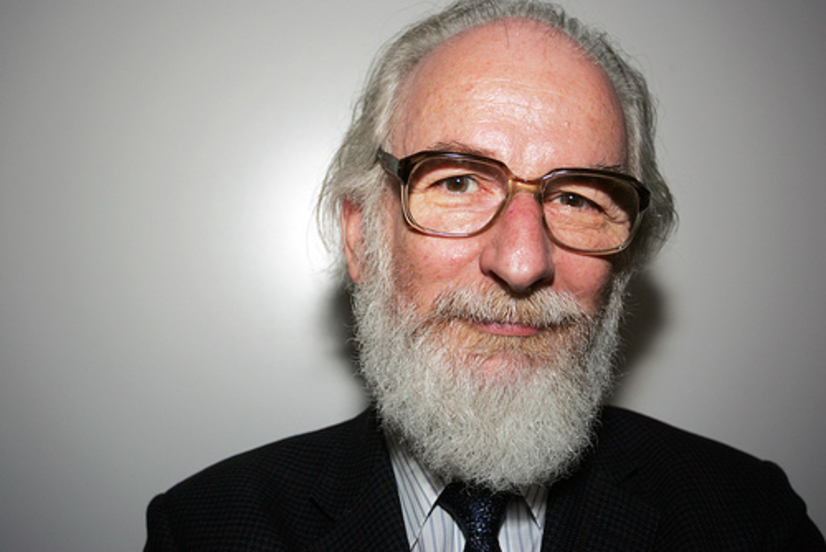
Learning from Eloquent (and not so eloquent) Speakers
Photo credits: https://pronunciationstudio.com/david-crystal/ A few weeks ago I went to a talk from the one and only David Crystal, linguist supreme. The event was part of the annual Birmingham Literature Festival and he was there to talk about eloquence and what it means to be a great public speaker. For many of us, public speaking of…