
Would you rather have 5 million dollars or 5 minutes with Joseph Smith?
If you aren’t an avid TikTok user like myself, you might not have come across the viral question making its rounds at BYU. And no surprise here, the answer is almost always the 5 minutes with Joseph Smith. BYU is a university founded by Brigham Young and 99% of the students there are members of the Latter-Day Saints Church, and for a university named after Brigham Young, the founder of Salt Lake City in Utah, its occupants hearts seem to only be set on Joseph Smith.
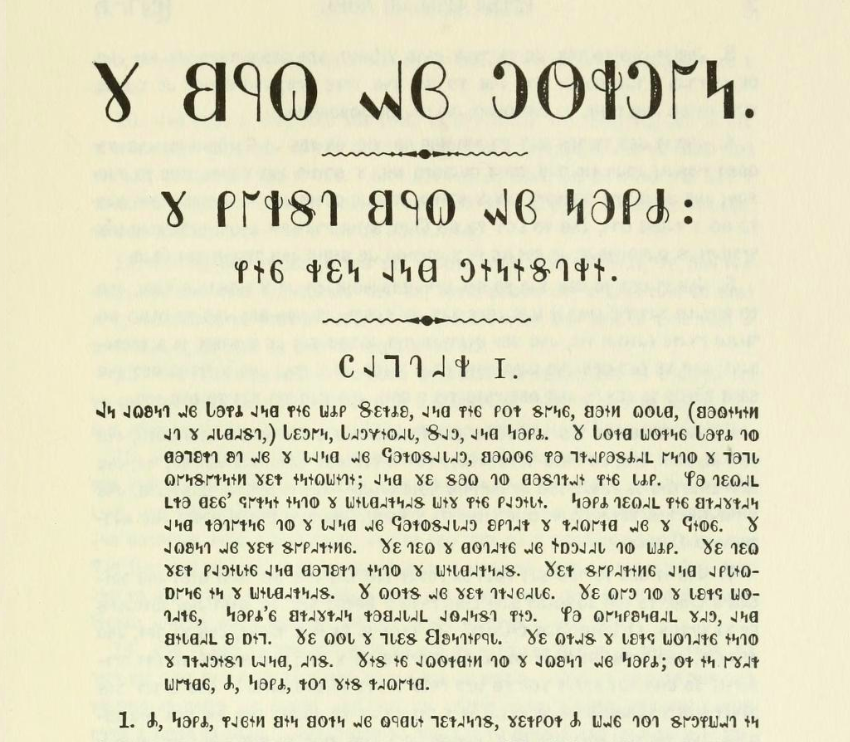
Sure, Joseph Smith founded Mormonism, but Brigham Young is the reason it thrives today especially in Utah; the land of Mormon stereotypes. What many don’t know is that Brigham Young was the driving force behind the development of Mormon’s very own language: the Deseret Alphabet.
But why would the Mormons want to create their own alphabet?
The Deseret Alphabet stirred up plenty of speculation in the 1850s, many accused the Mormons of only creating this new language in order to keep Mormon secrets from ‘gentiles’ and others speculate that they wanted to ensure that Mormons would not be able to access outside literature – maybe to stop them from becoming corrupted by all the casual sinners out there roaming in this big scary world :0
Brigham Young envisioned the alphabet to replace the traditional Latin alphabet with a more phonetically accurate alphabet for the English Language. He claimed his aim was to offer immigrants the opportunity to learn to read and write English as the orthography is usually less phonetically consistent to that of many other languages. He even dreamed of it as a step toward a return to the “pure language”—the Adamic language spoken before the Tower of Babel.
The Deseret Alphabet intended to simplify English, which was a good idea, its execution however left a lot to be desired. A particular problem being that it did not account for the mid central vowel ([ə], “schwa”). If you’re unfamiliar with the schwa, it’s the lazy sounding vowel that we often hear in unstressed syllables like the ‘uh’ sound in ‘about’. Without it, words like enough (/əˈnʌf/) had to be spelled with their stressed pronunciation, as 𐐨𐑌𐐲𐑁 (/iˈnʌf/). And if a word didn’t have a stressed version of the schwa, things got even trickier.
Sound confusing? It hurt my brain too, and I’m pretty sure it hurt the brains of six-year-old Mormon kids trying to learn it back in the day. No wonder it never caught on.
Despite Brigham Young’s passion for this alphabetic revolution, it’s safe to say the Deseret Alphabet never reached the level of popularity he envisioned. Sure, the Mormon settlers may have been pioneers in many ways, trekking across the plains and establishing a thriving community in the desert, but it seems they weren’t quite as excited about rewriting the entire alphabet. In fact, the only thing harder to find than a fluent Deseret speaker in the 19th century might have been a genuine enthusiasm for learning the system in the first place.
In practical terms, adopting the Deseret Alphabet would have required Mormons to abandon all their existing books, reprint scripture, and start over with new teaching materials. If the idea of lugging wagons full of supplies across the Rocky Mountains wasn’t hard enough, imagine adding an extra box full of newly minted Deseret textbooks. Perhaps the thought of updating everything from Bibles to hymnbooks and even grocery lists was just a step too far for a group already living on sheer pioneer grit.
To be fair, a few publications did make it into Deseret script, including some primers, readers, and a handful of texts like parts of the Book of Mormon. Still, the alphabet’s appearance in print was fleeting, almost as if it was testing the waters before everyone collectively agreed to stick with the alphabet they already knew. Let’s face it, by the time you’ve trekked halfway across the continent, your appetite for another new challenge such as learning an entirely different way to read and write might not be all that high.
And then, of course, there’s the question of costs. Young’s dream of widespread Deseret literacy came with a price tag, as publishing new materials in an experimental script wasn’t cheap. Even with the best intentions, printing equipment had to be imported, and the costs of producing Deseret books mounted up. This is perhaps the most practical reason the alphabet fizzled out. It turns out, dreaming big sometimes collides with the reality of an empty wallet.
In the end, the Deseret Alphabet became less of a widespread educational reform and more of a curious footnote in Mormon history. As for Brigham Young’s legacy? The Deseret Alphabet may have been a rare misstep, but it doesn’t detract from his impact on the development of Mormonism and the establishment of Utah. After all, if you can build a city in the desert, we’ll forgive you for a little alphabetic ambition that didn’t quite work out.
Unfortunately, it doesn’t seem like the Deseret alphabet will be popularised in this day and age but for now I shall leave you with Twinkle Twinkle Little Star, translated into the deseret alphabet as found in the Deseret Second Book!
| LESSON XVI. The Little Star Twinkle, twinkle, little star, How I wonder what you are. Up above the world so high, Like a diamond in the sky. When the blazing sun is set, And the grass with dew is wet, Then you show your little light; Twinkle, twinkle, all the night. Then if I were in the dark, I would thank you for your spark; I could not see which way to go, If you did not twinkle so. And when I am sound asleep, Oft you through my window peep, For you never shut your eye Til the sun is in the sky. | 𐐢𐐇𐐝𐐤 XVI. 𐐜 𐐢𐐮𐐻𐑊 𐐝𐐻𐐪𐑉. 𐐓𐐶𐐮𐑍𐐿𐑊, 𐐻𐐶𐐮𐑍𐐿𐑊, 𐑊𐐮𐐻𐑊 𐑅𐐻𐐪𐑉, 𐐐𐐵 𐐌 𐐶𐐲𐑌𐐼𐐯𐑉 𐐸𐐶𐐱𐐻 𐐷𐐭 𐐪𐑉. 𐐊𐐹 𐐰𐐺𐐲𐑂 𐑄 𐐶𐐲𐑉𐑊𐐼 𐑅𐐬 𐐸𐐴, 𐐢𐐴𐐿 𐐪 𐐼𐐴𐑋𐐲𐑌𐐼 𐐮𐑌 𐑄 𐑅𐐿𐐴. 𐐐𐐶𐐯𐑌 𐑄 𐐺𐑊𐐩𐑆𐐮𐑍 𐑅𐐲𐑌 𐐮𐑆 𐑅𐐯𐐻, 𐐈𐑌𐐼 𐑄 𐑀𐑉𐐪𐑅 𐐶𐐮𐑄 𐐼𐐮𐐭 𐐮𐑆 𐐶𐐯𐐻, 𐐜𐐯𐑌 𐐷𐐭 𐑇𐐬 𐐷𐐭𐑉 𐑊𐐮𐐻𐑊 𐑊𐐴𐐻; 𐐓𐐶𐐮𐑍𐐿𐑊, 𐐻𐐶𐐮𐑍𐐿𐑊, 𐐫𐑊 𐑄 𐑌𐐴𐐻. 𐐜𐐯𐑌 𐐮𐑁 𐐌 𐐶𐐲𐑉 𐐮𐑌 𐑄 𐐼𐐪𐑉𐐿, 𐐌 𐐶𐐳𐐼 𐑃𐐰𐑍𐐿 𐐷𐐭 𐑁𐐫𐑉 𐐷𐐭𐑉 𐑅𐐹𐐪𐑉𐐿; 𐐌 𐐿𐐳𐐼 𐑌𐐱𐐻 𐑅𐐨 𐐸𐐶𐐮𐐽 𐐶𐐩 𐐻𐐭 𐑀𐐬, 𐐆𐑁 𐐷𐐭 𐐼𐐮𐐼 𐑌𐐱𐐻 𐐻𐐶𐐮𐑍𐐿𐑊 𐑅𐐬. 𐐈𐑌𐐼 𐐸𐐶𐐯𐑌 𐐌 𐐰𐑋 𐑅𐐵𐑌𐐼 𐐰𐑅𐑊𐐨𐐹, 𐐉𐑁𐐻 𐐷𐐭 𐑃𐑉𐐭 𐑋𐐴 𐐶𐐮𐑌𐐼𐐬 𐐹𐐨𐐹, 𐐙𐐫𐑉 𐐷𐐭 𐑌𐐯𐑂𐐯𐑉 𐑇𐐲𐐻 𐐷𐐭𐑉 𐐴 𐐓𐐮𐑊 𐑄 𐑅𐐲𐑌 𐐮𐑆 𐐮𐑌 𐑄 𐑅𐐿𐐴. |

Leave a Reply