Learning a new language is often considered one of the most complex and difficult tasks one can undertake; Danish being no exception. With a pronunciation that non-natives can only dream of replicating, and an intricate grammar system, Danish creates a linguistic labyrinth that has led to it being termed one of the hardest languages to learn. But amidst this challenge, there is one aspect that must be mentioned: Danish animal names. These are so hilariously to the point that they provide an amusing contrast to the language’s general notorious reputation.
Here are some examples guaranteed to paint a comical picture in your head:
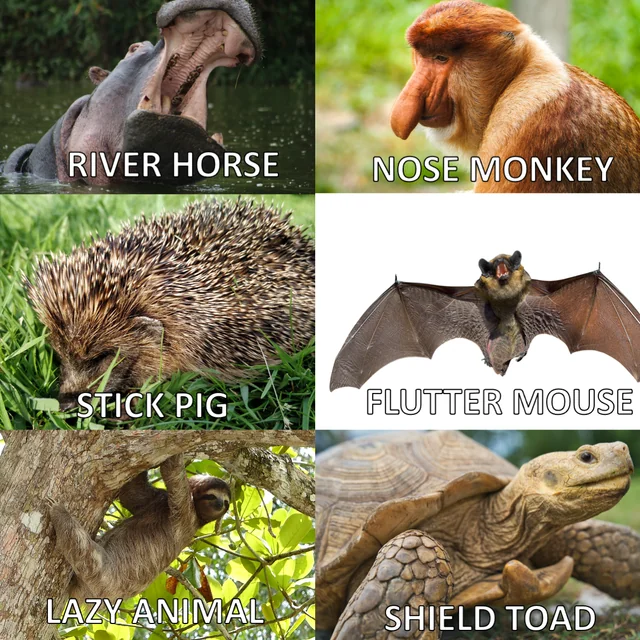
- Hedgehog is pindsvin: “pind” means stick, and “svin” means pig, meaning a hedgehog is literally called a “stick pig”.
- Rhino is called næsehorn: “næse” translates to nose, and horn stays the same, which gives us “nose horn”.
- Octopus becomes blæksprutte: “blæk” is ink, and “sprutte” means sputter, which creates an “ink sputter”.
- Skunks are known as stinkdyr: “stink” means the same in English, and “dyr” means animal, resulting in “stink animal”.
- Raccoon is termed vaskebjørn: “vaske” translates to wash, and bjørn is Danish for bear, giving us a “wash bear”.
- Bat translates to flagermus: “flager” is flutter, and “mus” means mouse, creating a “flutter mouse”.
- Hippopotamus is flodhest: “flod” means river, and “hest” translates to horse, which results in “river horse”.
- Capybara becomes flodsvin: “flod” meaning river, and “svin” meaning pig creates “river pig”.
A welcome break from the otherwise strenuous parts of the language, these literal translations showcase Danish’s more humorous and playful side and remind us that even the hardest of languages can house eccentric simplicities in some way.
Leave a Reply