
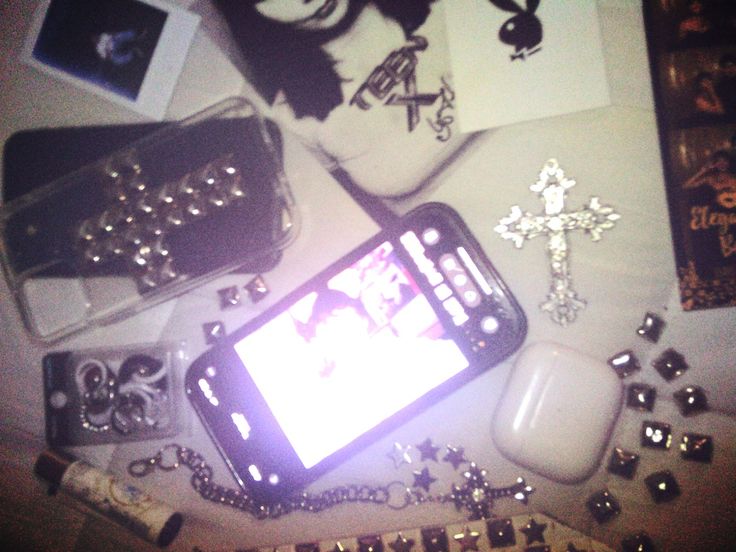
Wow, your outfit is sooo balletcore. Isn’t that house just sofairycore? What aesthetic are you? Barbiecore? Mermaidcore? Gorpcore?
To those who do not deeply immerse themselves in social media, these words may sound like mere gibberish. To people like me – the unfortunately chronically online – these words can actually be associated with ideas and images. The use of the suffix ‘-core’ has been on the rise on the internet lately, with people attaching it to a word to describe a certain visual appeal and style. In ‘-core’ aesthetics, the word attached to the suffix symbolizes the overarching theme. Each combination creates a distinctive visual or stylistic concept associated with a specific aesthetic theme. For example, ‘cottagecore’ is associated with the urge to live in nature, raise home-grown vegetables, and run through meadows wearing long puff-sleeved dresses in gingham print. The cottagecore hashtag currently has 16.5 billion views on TikTok. It gained popularity around 2020, when people were stuck at home during lockdown and fantasising about a romantic rural lifestyle. Since then, many new aesthetics have emerged, dominating the world of fashion and interior design.
So, where did the use of the “-core” suffix originate? Many may be familiar with the term “hardcore,” signifying something extreme or intense. However, in the 1910s, it initially referred to the central and immovable foundation of something. By the 1920s, it evolved to denote unwavering commitment to a group or cause. In the 1930s, it transformed into an adjective describing the essential or core aspects of groups, including political parties. Over time, the term extended into various contexts, including pornography, and by the 1970s, it found its way into the realm of music. Hardcore punk, with its -core suffix, became a combining form for other aggressive or experimental music genres, such as metalcore(late 1980s), nerdcore (1991), and mumblecore (2005).
In linguistics, this type of suffix can be categorised underlibfixes, which are generated by rebracketing and back-formation. Libfixes are typically created by taking a segment of a blended or portmanteau word and using it as a productive affix in other words. Some examples of libfixes are ‘-(a)holic’ like in workaholic, or ‘eco-’ like in eco-friendly.
The excessive use of the ‘-core’ suffix to describe aesthetics led to the oversaturation of microtrends on the internet. Now, even without the addition of the ‘-core’ suffix, quirky and overly specific trends saturate the fashion community of social media.
Do you prefer eclectic grandpa or coastal cowgirl? Are you a tomato or a cherry girl? I think I’m a mix of office siren and old money aesthetic.
Again, for those who touch grass, these sentences probably didn’t even sound like English. Trends come and go, but on TikTok, the cyclical process has accelerated, with new styles emerging virtually every other week, leading the trend of the month to quickly fall out of fashion.
With this, the question arises: how harmful are such trends, exactly?
Certainly, some may argue that these obscure trendscontribute to the development of individuality, a trait highly sought after by adolescents online. When people discover an aesthetic that they resonate with, it brings them satisfaction to actively participate in and embrace these distinctive fashion trends.
Yet, these short-lived trends inadvertently contribute to the acceleration of fast fashion. The constant demand for new clothing accompanying the rise of each new aesthetic or trend allows fast fashion brands to profit from selling cheap, unethically made clothes at low prices. This cycle reinforces the overconsumption culture promoted on TikTok, where the multitude of emerging influencers, through their brand deals, encourages people to make more purchases. In the past, subcultures were intentionally communal spaces where individuals could seek solace in shared characteristics that deviated from the mainstream. These spaces offered a sense of comfort and familiarity among like-minded people. Contrarily, the modern aesthetic culture is a lot more individualistic and competitive. Individuality and uniquenessare now a contest where there is no winner. People compete for the latest style within a particular aesthetic, striving to stand out and become the quintessential figure of that style—the epitome, or the it-girl. This competitive drive to possess the most trendsetting items fuels the overconsumption of material goods.
In essence, I guess my conclusion circles back to the same old ‘capitalism = bad’ argument; the consumerist behaviours amplified by TikTok microtrends is problematic not only for the environment but also for self-expression and the exploration of individual identity. A person’s identity should transcend categories, trends, aesthetics, words followed by the suffix ‘-core’. Discovering your identity should not hinge on engaging in parasocial relationships online. You can like an aesthetic the way you do a food or a colour, but ultimately, the truth lies in the essence of your character.
And there’s your deepcore quote of the day.
Leave a Reply