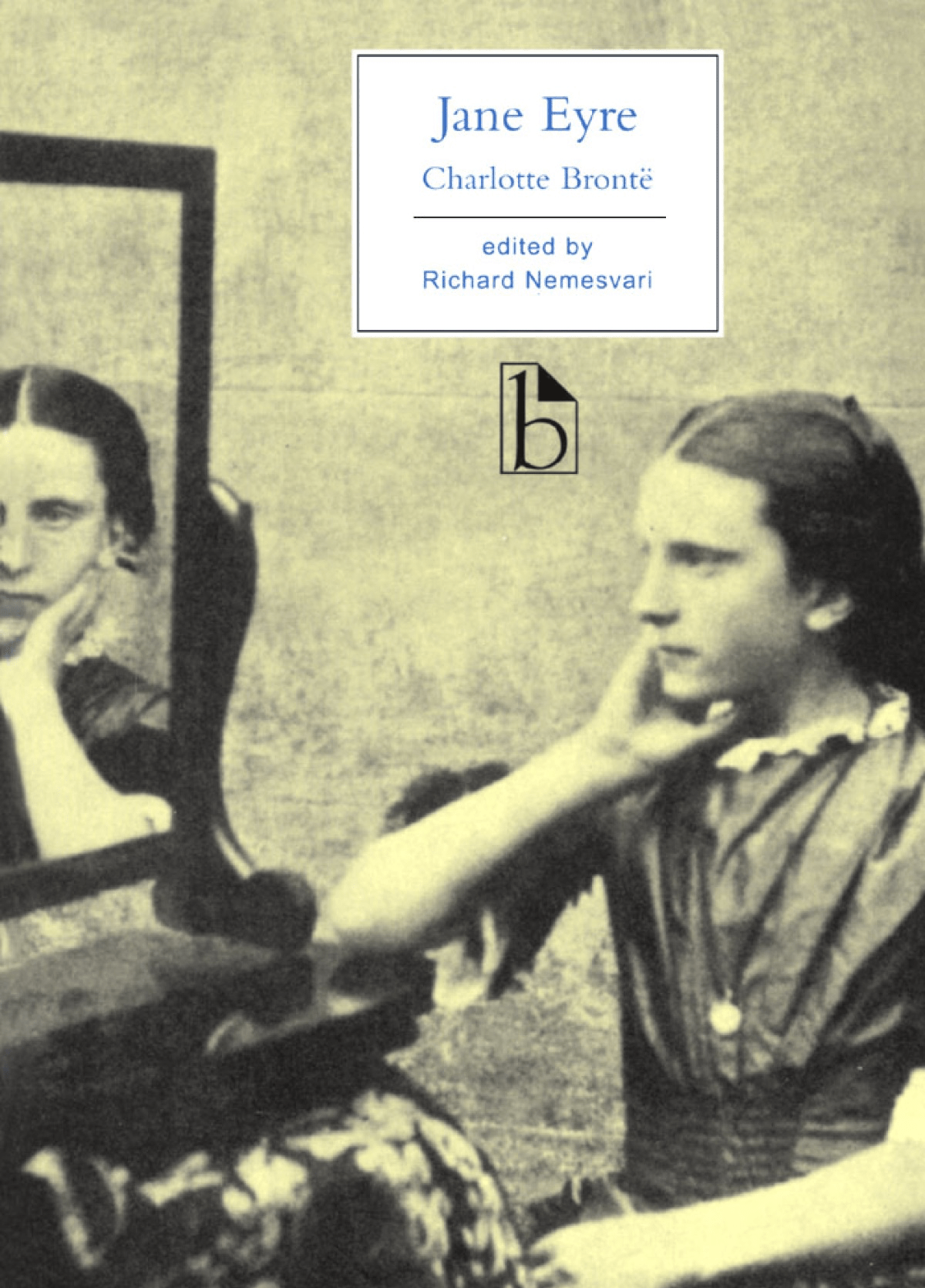
Jane Eyre was published in 1847 by Charlotte Brontë, whose own tragic life influenced her writing majorly. Brontë created Jane’s character to be independent whilst also being vulnerable; calm whilst furiously passionate; honest and incredibly brave. Brontë rejected the convention of the ‘beautiful’ heroine as she wanted a more relatable female protagonist. It doesn’t only go against how romantic fictions often, according to linguists, ascribe material verb processes to men rather than women, it also addresses the constraints proposed by patriarchy. This, along with a list of other reasons (as this article will show), is why Jane Eyre should be everyone’s favourite literary heroine.
Perhaps the most controversial aspect of the novel is Jane’s relationship with Mr. Rochester. Their interactions are lessons within themselves, teaching women how to value themselves whilst also portraying vulnerability in a positive light. She, quite explicitly, tells Rochester exactly how she feels:
“Mr. Rochester, I will not be yours.”
She tells him how it is without softening the harshness of the demand. And without a doubt goes against Lakoff’s proposal that women make implicit requests rather than explicit – as if.
Although Jane tried to repress her feelings for Rochester, she does stand up to the feelings in the end. Through Rochester’s long utterances – going against Folk Linguistic beliefs that women talk more – Jane is swayed into admitting her love for him whilst also determined to stay true to herself:
“I am not an angel […] I will be myself.”
The primary reason I adore this novel is that Brontë’s discontent with society led her to the creation of Jane Eyre. It was this discontent that allowed her to address the gender constraints present during her time. Brontë does this by creating a strong voice for her heroine and by employing certain characteristics within her that would go against Victorian norms: rebelliousness, ferocity, restlessness. From going out of the ordinary by creating a career for herself, to her enraged nature, Jane was Brontë’s way of speaking for constrained women everywhere.
On that note, let me end with arguably, the most powerful quote in the novel:
“I am no bird; and no net ensnares me: I am a free human being with an independent will.”
This nicely encapsulates Jane as a character; constrained by societal norms but constantly rejecting anything that restricts her. A factor we should all appreciate and consider.
Leave a Reply