There is only one question which has been befuddling mankind since the dawn of time. It does not have to do with the sequential beginnings of the chicken nor does it involve our purpose on this earth. It is a topic which embodies true happiness and delight, one that changed my life for the better.
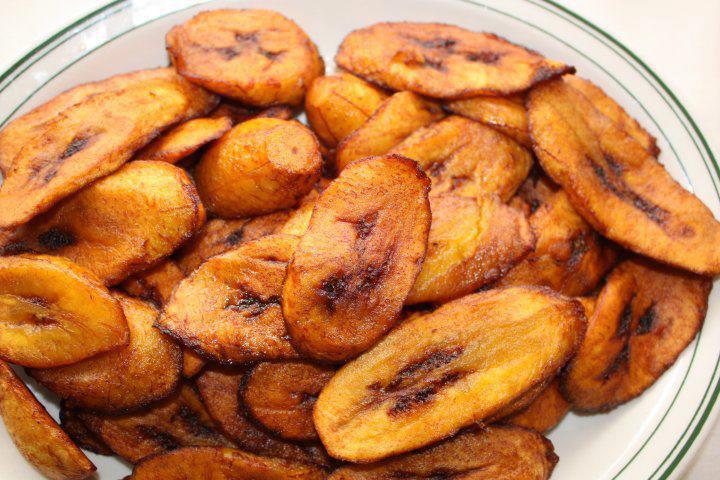
Plantain.
And why has this speckled goodness brought us to debate?
Pronunciation.
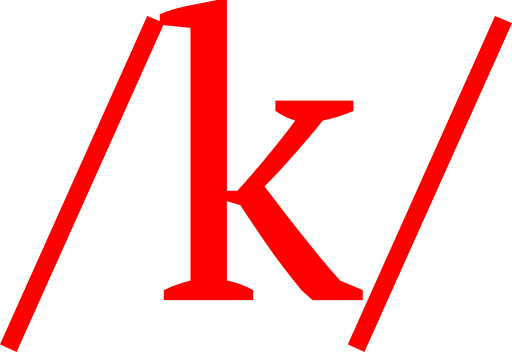
Some of you out there have been asking for a king-size serving of /planteɪn/ all your lives, whilst others have been pinning for /plantɪn/ since birth (planTAYNE and planTIN for any non-linguists among us). It’s a division greater than the one caused by scones and Brexit. But why has our love of this upgraded banana food divided us?
Scanning through online dictionaries proves unhelpful in this case, as most of them include both pronunciations or either of the two. ‘But you wouldn’t say /maʊnteɪn/ (mounTAYNE)’, I hear you cry. Well, no but we also wouldn’t pronounce ‘contain’ and ‘entertain’ with a /tɪn/. Whilst I have previously read about the effects that verbs and nouns can have on the pronunciation of the ‘tain’, studying the English Language asks more questions than it answers, so turning to its ‘rules’ in this time of need also proves useless. When it comes to pronunciation, there is technically no P in psychology, K in knee, or W in Greenwich.
This leaves us in an awkward position. What do we have left if the rules of the English Language have crumbled around us? Some will argue that /planteɪn/ just sounds better, and maybe it does but that won’t hold up in a court of law. Overall, it is down to what you were told when it was introduced to you. Those first few moments when you vowed not to eat a potato again. When you promised to dine on the finest plantain for breakfast, lunch, and dinner.
I, for one, think you’re all wrong.
I call it platano.
Leave a Reply