-
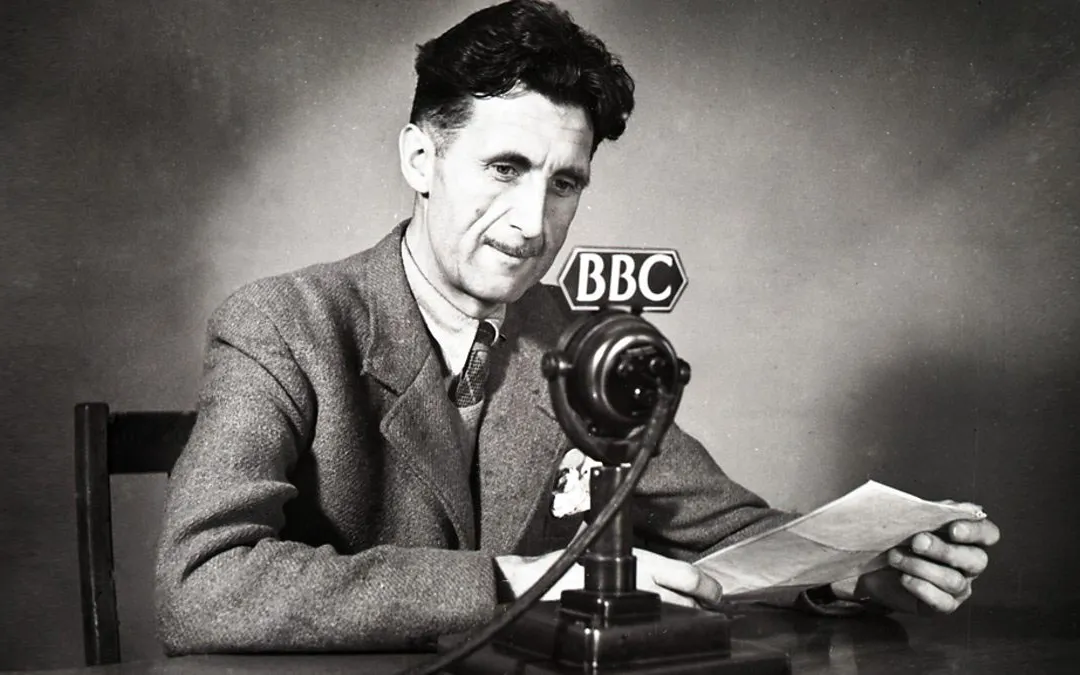
A Fog-Screen of Modern Politics: Orwell’s 80 Year Old Warning
George Orwell wrote ‘Politics and the English Language’ in 1946, yet it feels more relevant now than ever following our summer of immigration rallies and political protests up and down the country. Overseas, America faced a similar summer as ICE cracked down on migration and Mamdani’s election to be New York’s mayor. While the clocks…
-

Welcome to the Internet! A Quarter Century Wrapped.
As I ruminated over where to even begin for generating ideas for an article, I did what every single one of us does (at least if under 30); turn to consuming short form content.
-

on nonchalance
is being nonchalant cool and mysterious, or just disconnected and self-absorbed? lately, there has been an appearance of countless jokes and satirical posts online about the rise of nonchalance. people are growing frustrated and tired of the air of indifference that everyone seems to be sporting. what was once meant to look effortlessly cool now…
-

American English: One Brit’s Star Spangled Struggle
The moment my feet touched American soil, I knew exactly what I had to do. The primal urge to partake in what Americans do best took over and I marched straight to the sacred temple of greasy, artery clogging goodness. In-N-Out.
-

Pressured Speech.
Content warning: This article is primarily about mental illnesses and one specific effect they can have on language use.
-

Cryptophasia: the secret language of twins
Cryptophasia – a phenomenon that mostly occurs in twins – derives from Greek, with ‘crypto’ meaning secret, and ‘phasia’ meaning speech. As the name suggests, it is a language developed by twins that only the two children can understand.
-

The Gender Code: Dangerous Gender Marking?
From pronouns to professions, gender codes are all around us. Though often unnoticed, they shape society as it exists today.
-

A Night Counting Stars: What Yoon Dongju, the Ill-fated Korean Poet Wished upon a Star
A Night Counting Stars – 별 헤는 밤, a poem by Yoon DongJu – 윤동주, translated by Chaewon Kim
-

To All the Names I’ve Loved Before: the Romance of Surnames as Nicknames
Valentine’s Day is right around the corner, and for me, it’ll probably be spent curled up with a blanket, rewatching my favourite romcoms. Recently, I binged season 2 of XO, Kitty, and one detail stuck with me: one of the love interests calls the protagonist, Kitty, by her last name, ‘Covey’. At first, it seems…
-

Low Literacy, High Office: How Trump proves that you don’t need to read to succeed
In 2020, Donald Trump proclaimed via Twitter (or X) that he was not “just smart, but genius. And a very stable genius at that!” Whether you call this ‘self-confidence’, or just plainly insufferable, it appears that a lot of his followers agree that Trump is, in fact, a political prodigy. In light of his recent…
-
(Attempting) To Master the Art of Code Switching
Code switching is a phenomenon mostly seen in bilingual and multilingual environments and acts as a bridge between different languages. It’s when people switch between languages mid-conversation, often to fill in the blanks when a word just won’t come to mind in that language, that one word you so desperately wanted to use. The word…
-

Transforming Languages: What Makes a Successful Translation?
“Bless thee, Bottom, bless thee. Thou art translated.” In Shakespeare’s A Midsummer Night’s Dream, Bottom, the Weaver’s head, gets “transformed” into the head of an ass. Back in the Elizabethan Era, the word “translate” had a slightly different meaning in comparison to the modern day. To translate was to transform, to go through the process…
-

Linguistic Inbreeding: The Downfall Of AI?
Picture this, you are a university student staring down the barrel of impossible deadlines. With each second that passes, the feeling of impending doom seeps into your very existence. In a moment of desperation AI seems to be the only saviour, a lifeline, to spark some creativity. You enter your prompt, breath-bated, just waiting for…
-

Homeland, Motherland & Fatherland
Across the 195 countries in the world, each one has a different way of referring to itself. For many, the population either views their home as one of two things: the Motherland or the Fatherland—both have different histories, connotations and reasons as to why. However, some countries don’t refer to either; the US is frequently…
-

Flat 85: A Microcosm of Language Contact and Conflict
Since moving into accommodation in London, I have been blessed with a very culturally and therefore linguistically diverse flat. I’m living with other students coming from all sorts of places, such as Manchester, Yorkshire, Pakistan, and even straight from Dubai. Whenever I come home after a day of classes, I’m able to continue my studies…
-
The Language of Emoji: Silly, Mindless Symbols or a Virtual, Hieroglyphic Lingua Franca?
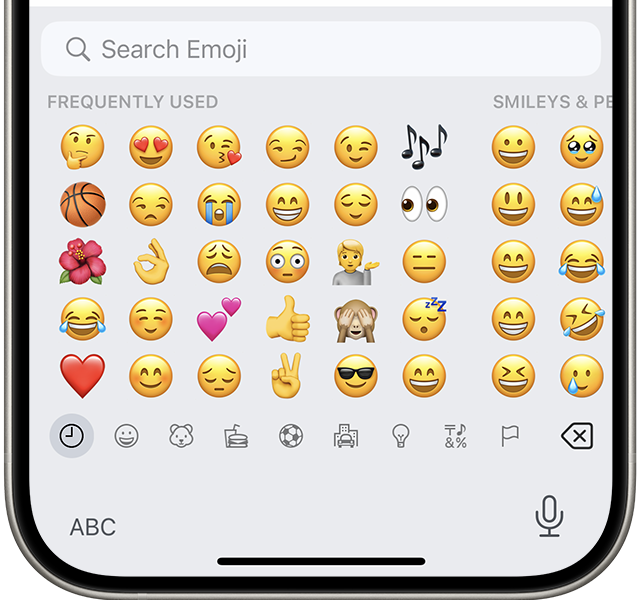
Why Write About Emojis? I will admit, when I first came up with the idea to write about emojis in my debut published article, I was worried that it was too low-brow and that I should write about something more profound and niche instead. But, I had to stop myself when I realised that this…
-

Sex, Language, and Hatred
We often wonder how deeply sexism—the patriarchy, even—has clawed itself into society. I do, at least. How far back does it go? Is everything we do, say, based on systemic marginalisation? I’m aware that this sounds stupid, it is unquantifiable. Obviously it is deep. There are many aspects (the fashion industry, sex work, and sports,…
-

Death’s Dance – a poem
Death’s dance was feverousA passion that burnt everything she touchedThe motions of her movements spinningHer infection making them blush And though she longed to dance as a pairEvery partner would slip through her graspFor a second Death embraced themThe memory leaving her in a trance Shimmering figures lined her pathBeckoning her to go on forwardAnd…
-

Playing a Game with Wittgenstein
Upon the recent rumors of Noam Chomsky’s death, shockwaves have been spreading across the world, with political commentators and linguists alike grieving the possibility of the world losing one of its most influential voices. A famed critic of imperialist and capitalist world leaders, the alleged news received an outpour of celebration for his contributions to human…
-

When Mormons Tried to Rewrite the ABCs: The Deseret Alphabet Flop
Would you rather have 5 million dollars or 5 minutes with Joseph Smith? If you aren’t an avid TikTok user like myself, you might not have come across the viral question making its rounds at BYU. And no surprise here, the answer is almost always the 5 minutes with Joseph Smith. BYU is a university…
-
Voices from Japan
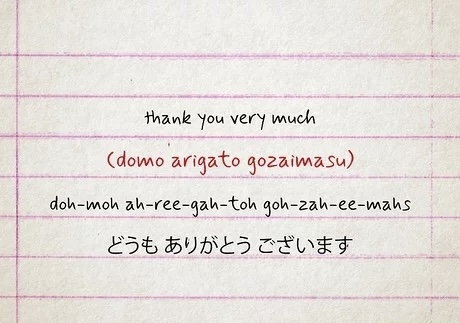
Before I came to Japan for my semester exchange there was one thing scaring me more than anything: the language difference. I didn’t know any Japanese before coming here (and I do mean nothing at all). Going to a different country without knowing the language is always scary but living in a different language environment…
-
From Stick Pigs to River Horses: A Dive into the Amusing Literalness of Danish Animal Names
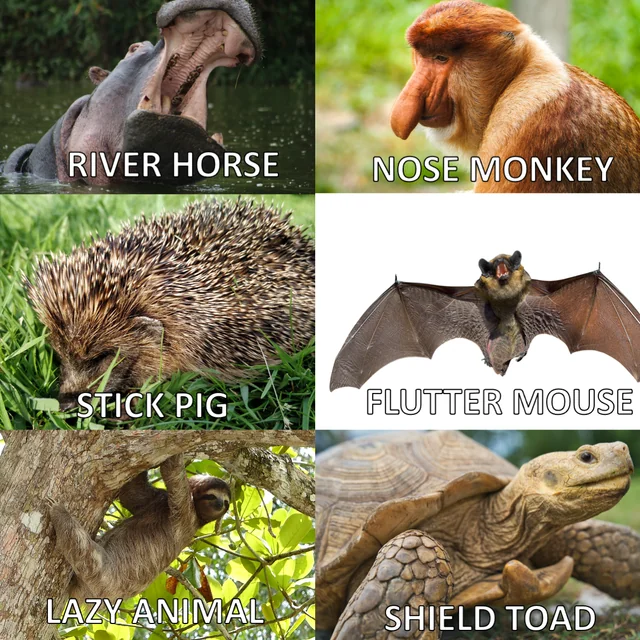
Learning a new language is often considered one of the most complex and difficult tasks one can undertake; Danish being no exception. With a pronunciation that non-natives can only dream of replicating, and an intricate grammar system, Danish creates a linguistic labyrinth that has led to it being termed one of the hardest languages to learn. But amidst…
-
Uncovering the Linguistic Role Behind the Naming of our Childhood TV Characters
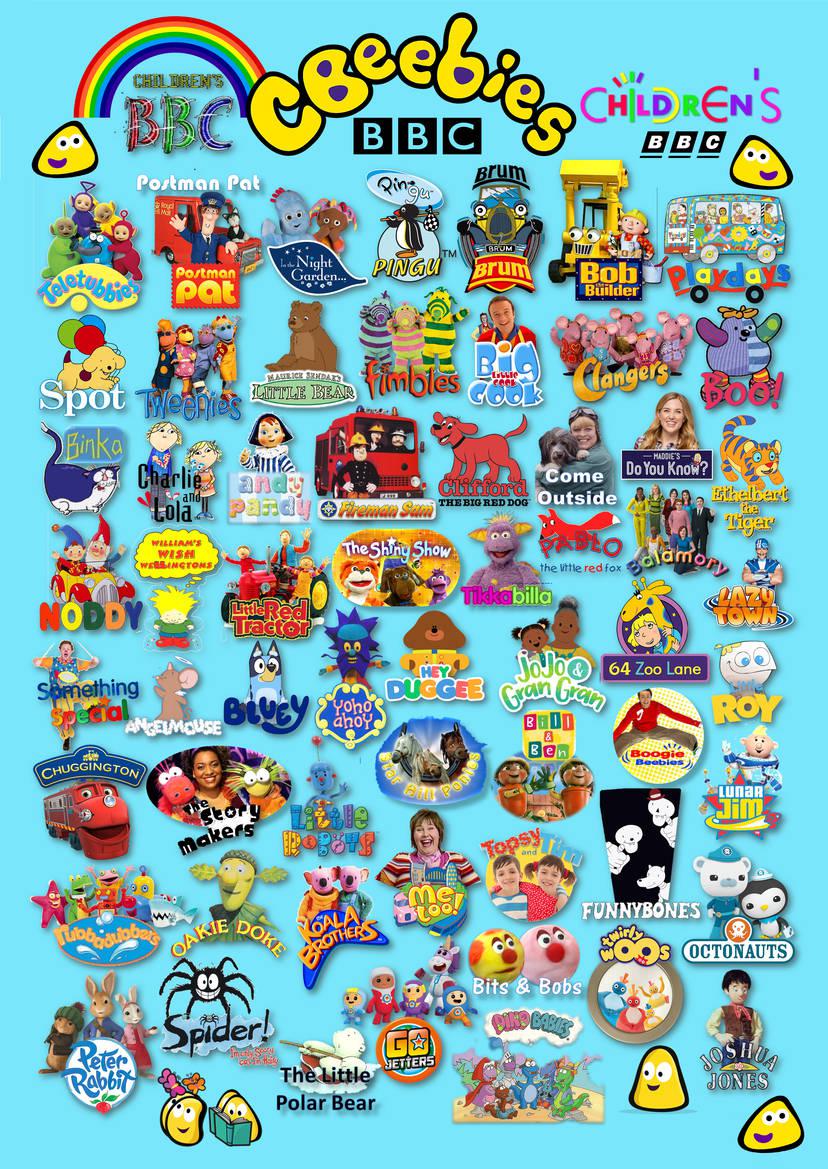
If we think back to our childhood days, many of us might think fondly of an era where we would sit for hours on end watching TV, with Cbeebies being at the heart of our generation’s entertainment. Providing us with endless shows to watch and absorb, I recall a near endless mix of vibrant and captivating characters.…
-
The Changing World of Subtitles
A new age is on the brink, and I’m not talking about the launch of another alien shaped apple product. I’m talking about subtitles. It’s a controversial moment when watching a movie or TV show with others: to subtitle or not? For most young people, this has become an easy choice. I can remember the…
-
Is Duolingo an Effective Language Learning Tool?
“Hey! Time for your daily language lesson!”. I’m sure most of us have received a notification like this at some point. The little green owl in the corner reminds you of a commitment you made only two days ago that you’ve already fallen behind on. These reminders are consistent, until eventually you are passively aggressively…
-

Chomsky Who? AI Baby Contradicts Linguistic Innnateness
Very recently – as in within 11 days of this article’s publication – an incredible piece of research has been unveiled relating directly to children’s language acquisition. On the 1st of February of 2024, a research article was published in the Science journal titled Grounded language acquisition through the eyes and ears of a single…
-
Twisted Talk : Say What?
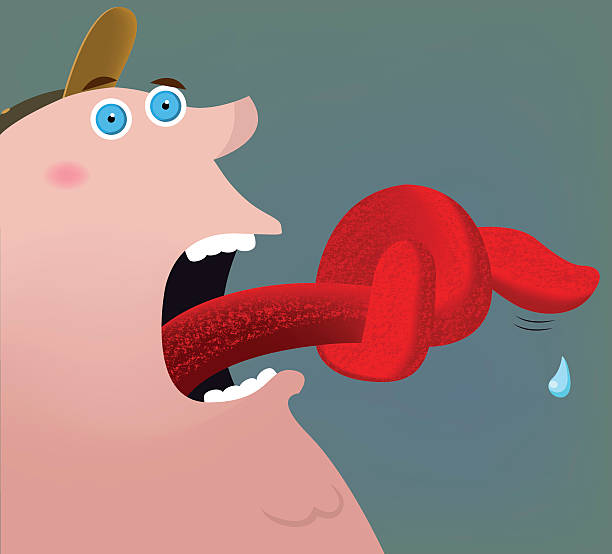
Tongue twisters have left all of us baffled at one point. From the devious repetition of ‘red leather, yellow leather’ to the classic ‘Peter Piper picked a peck of pickled peppers’, I love them while I hate them at the same time. Tongue twisters are a universal fascination that transcends borders and cultures. These phonetic…
-
The Spread of Language: From Bestie to Bestie
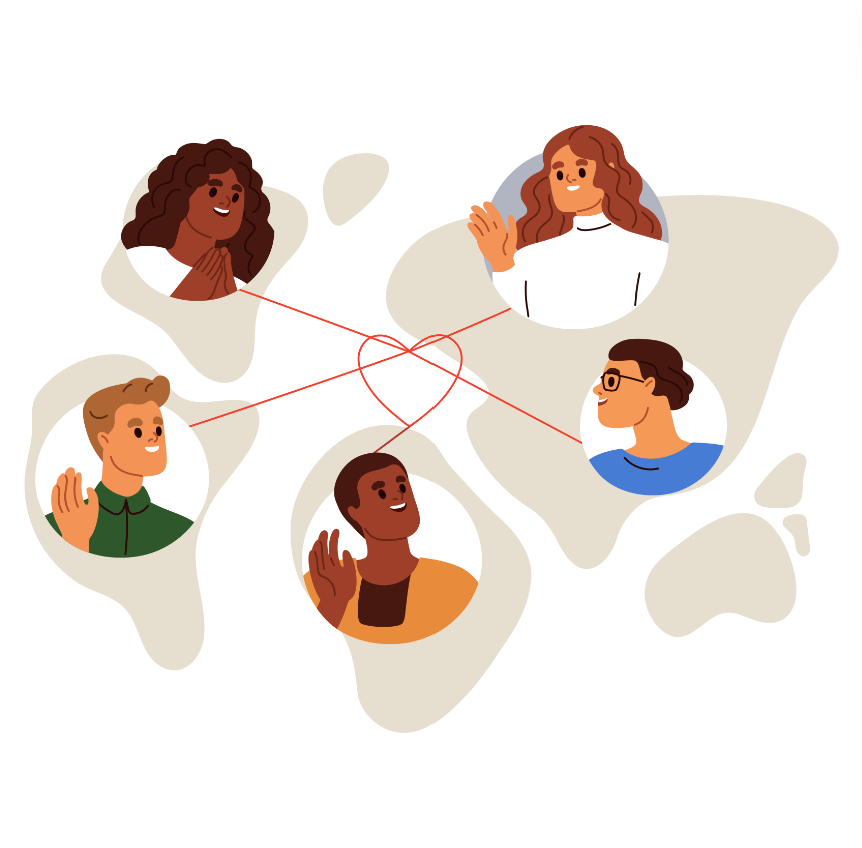
There is no doubt that the people we spend time with have a huge influence on our everyday lives. Varying from outward appearance, beliefs, and attitudes to the language we use on a day-to-day basis. In fact, recent research has suggested that our brains synchronise with those around us (this may be slightly concerning for those of us with questionable friends and…
-

Getting to the Core of TikTok Trends
Wow, your outfit is sooo balletcore. Isn’t that house just sofairycore? What aesthetic are you? Barbiecore? Mermaidcore? Gorpcore? To those who do not deeply immerse themselves in social media, these words may sound like mere gibberish. To people like me – the unfortunately chronically online – these words can actually be associated with ideas and images. The use of the suffix ‘-core’ has been on the rise on the internet lately, with people…
-

Does language influence personality?
You may have heard the Czech proverb that says: “Learn a new language and get a new soul.” According to the American Psychological Association, personality refers to the characteristic patterns in how you think, feel and behave. Many bilinguals and polyglots, people who speak multiple languages fluently, have reported feeling different in each of their…
-
To girl or not to girl
What’s wrong, babe? You’ve hardly touched your girl dinner? With rot-girl winter throwing itself at you with the full force of a thousand-girl army, the feminine urge to ‘just decay’ is stronger than ever. To be a ‘girl’ has transformed: the hot girl has grown tired, iterated and regenerated a million times, the likes of cool girl,…
-
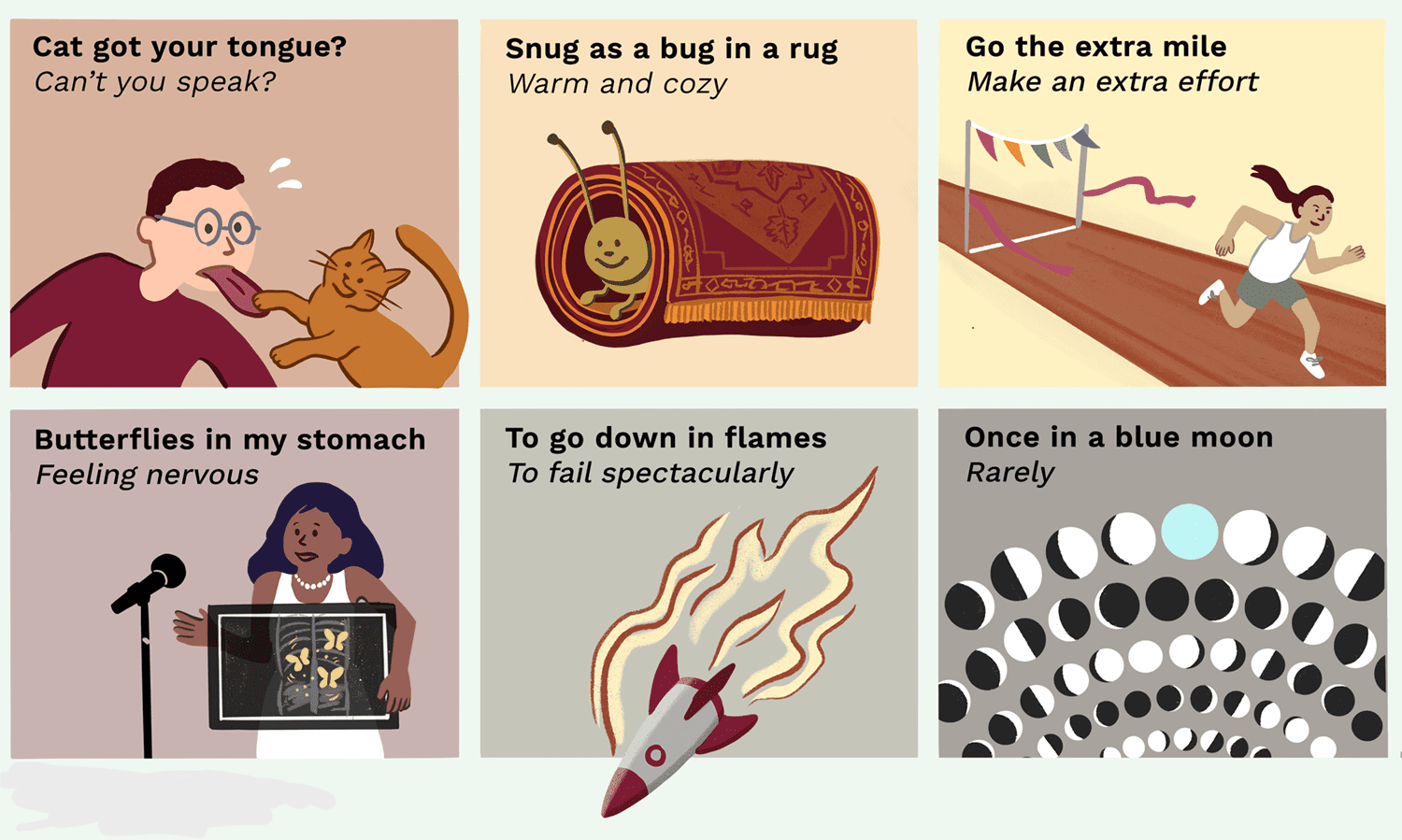
A Global Tour of Intriguing Idioms
Linguistic features, such as idioms, can offer an insight into language that goes beyond basic communication. They combine history and culture, therefore essential in truly understanding a language- especially if you wish to achieve a native-like efficiency. So let’s embark on a linguistic journey as we unravel the enchanting world of idioms from a variety of cultures. 1) Turkish Treasures Literal translation = to lose the goats Meaning = To go mad…
-

Unveiling the Darkness: A Look at Fairy Tales
Fairy tales are a quintessential part of childhood, unique to every culture and yet similar in their lifelong significance. One can find incorporations from fairy tales in language, with “ugly ducklings” and “wolves in sheep’s clothing” and beginnings of stories with “once upon a time’s”. Fairy tales extend to every form of entertainment; from being…
-

The Legacy of Linguistic Confusion: A Tapestry of Geographic Names
The River Avon runs from South Gloucestershire to Somerset. It extends from Northamptonshire to Tewkesbury. Or from Salisbury to the English Channel. There is either a very confused cartographer, or multiple rivers with the same name. In fact, in the British Isles alone, there are seven River Avon’s, all resulting from miscommunication hundreds of years ago. When…
-
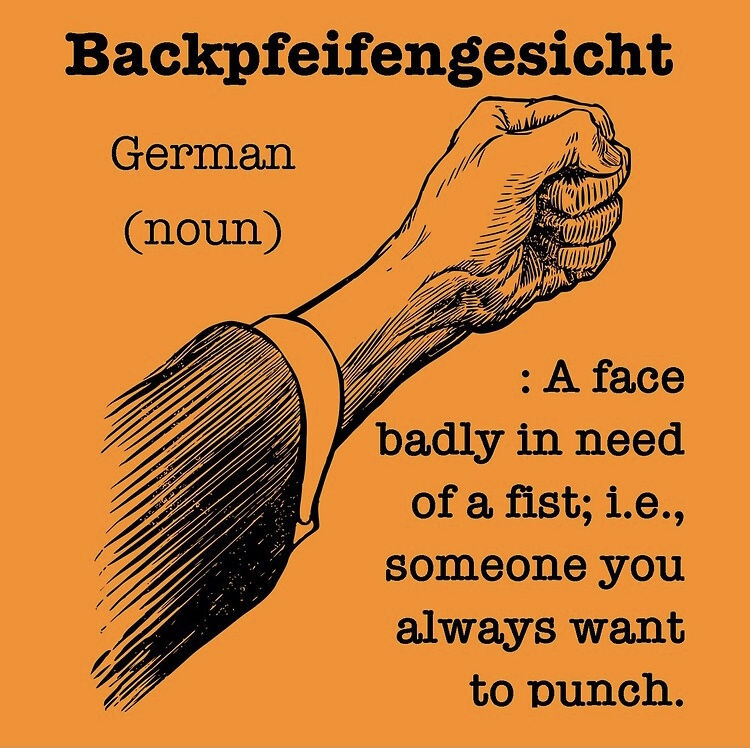
Lost in Translation: Hunting for Words English Cannot Handle
There is a tapestry of languages that have been lost to the world. The omission is now only an echo, reverberating through the corridors of our new standardised conversations, leaving behind the lingering resonance of thoughts and expressions. Embracing Linguistic Escapades Dominated by English, many unique ways to express emotions, situations and concepts have been…
-
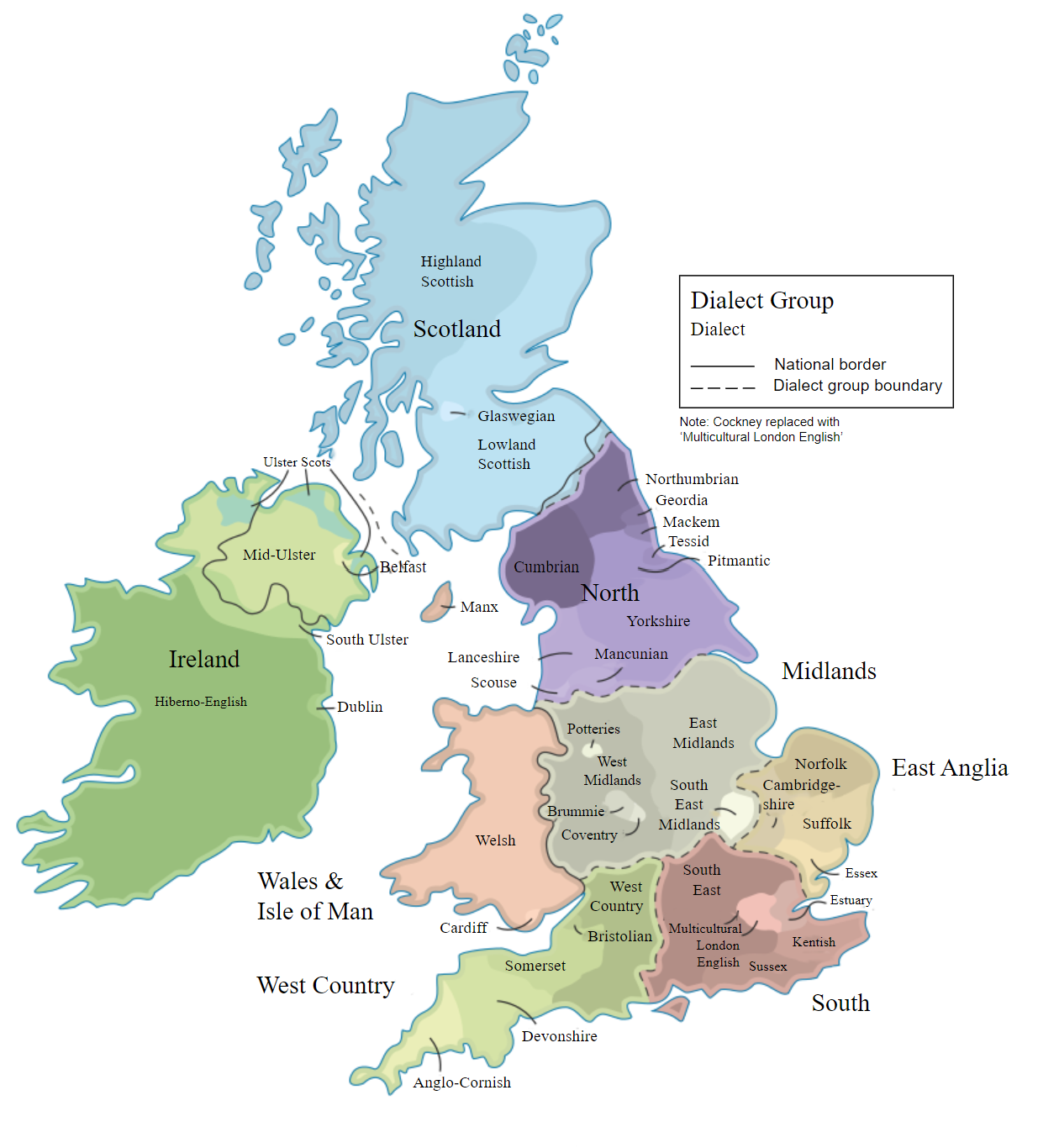
Dipping into Dialects
Across the world, there are around 160 English dialects, though only 40 of these are spoken in the UK. Dialects carry stereotypes (both positive and negative) and can influence various aspects of their speakers’ lives, bringing people closer together or farther apart. As a northerner, now living in London, the variance between English dialects has…
-

Worlds in Words: Exploring ‘Babel: An Arcane History’ by R.F. Kuang
“We’re here to make magic with words” It was the summer after my high school graduation, marked by the end of gruelling exams. Stuck between choosing to study Linguistics at King’s or Economics in Munich, I found myself with little to do. That’s when I picked up Babel by R.F. Kuang. Three days of continuous…
-
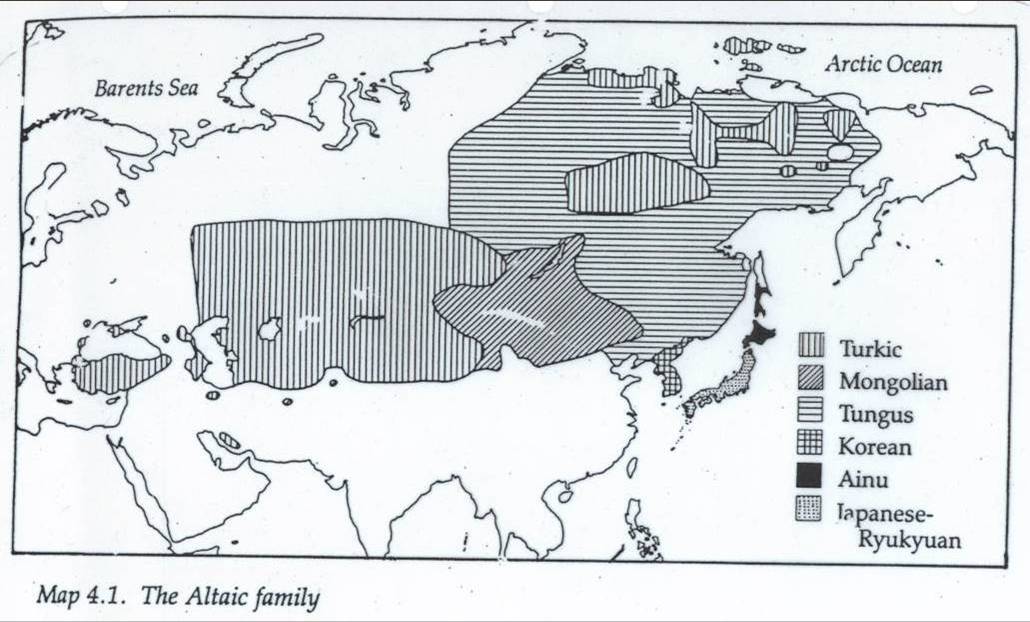
The Altaic Languages: A Real Language Family?
Language families, like any other family, can be quite complicated. The Altaic Language Family theory proposes a linguistic connection between Turkic, Mongolic, Tungusic, and sometimes Japonic and Koreanic languages, sparking debates amongst historical linguists. While some point to grammatical and lexical similarities as evidence of a shared language family, sceptics argue that these resemblances alone…
-

Now, the monkey comes out of the sleeve
Travelling over the summer, I met and interacted with a surprising number of Dutch people (despite not visiting the Netherlands). Being the language lover I am, I expressed my want to learn the Dutch language, which was met with a unanimous response of “no, it’s a useless language.” I don’t know if this is a…
-
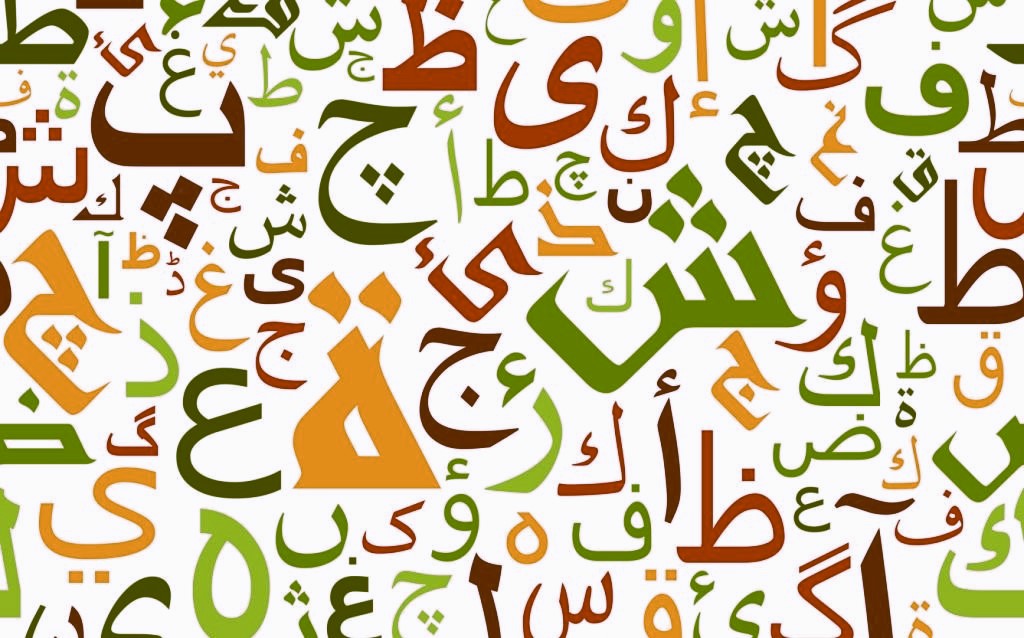
Writing Systems Around the World
When embarking on the journey of learning a foreign language, you will most definitely have to conquer large vocabulary lists, tackle complex grammar patterns, and along the way, master the art of pronunciation. In some cases, you may have to begin by facing a more intimidating opponent- a completely new alphabet or writing system! Also…
-

Unraveling the Mystery of Graphemes
Graphemes. They are symbols that represent sounds in writing. That is their only job, and yet somehow – at least in English – it is a task that they don’t do particularly well. To illustrate this, I’ve included an excerpt from a poem published in 1920, since which there has been no improvement (much to…
-

Genericized words in Slavic languages
Although speakers might not be aware of it, especially if the word is in use for decades, genericized words are numerous in almost every language… But what exactly are genericized words and how do they enter a language? Genericization (or genericide) is when a trademark becomes so successful that people start using its name to…
-

“2020 Is Going So Quickly, I Literally Cannot Keep Up” — a comparison of English and Mandarin conceptual metaphors about Time
Editor’s Note: In this article, Time, Motion and Space are discussed as metaphorical concepts. You may have noticed the different capitalisation of those words — it’s intentional! “Time” and “time” are different. In academic writing we’d capitalise the entire word (ie. TIME), but to keep with the blog’s casual format and style, we’ve done it…
-

Single or double? – Single, how about you?
The title of this article might be confusing for you. You’re thinking, what could this article possibly be about? It is actually a piece relating my personal experiences working in a bar which I connect to the way language is used in the service industry. The environment in which this particular encounter occurred is not…
-
Language decay or language evolution?
I am sure many of you have heard comments about language and that it’s getting…‘worse’ (to put it lightly). Many have made angry claims about how language is being ‘demolished’ by the young generation and their slang, the way they text and whatnot. Take for example, an article in the Daily mail presenting the views…
-
‘I’m Sorry You Were Offended’- ‘Cancel Culture’ and the Language used in Apology Videos
As we come to the end of 2019, it is interesting to reflect on the continuously evolving internet culture. We were blessed with an abundance of embarrassing, poorly executed and ‘Razzie award worthy’ apology videos. A few names may spring to mind such as James Charles, Gina Rodriguez and Laura Lee etc. It seems ‘terrible apology videos’…
-
Byelingualism
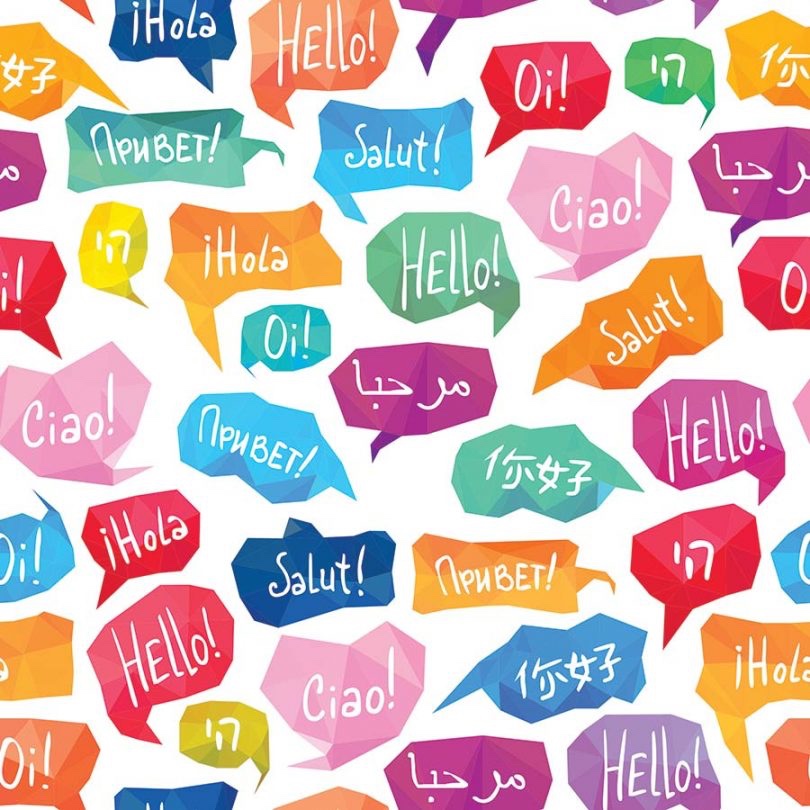
On the issues that come with being a bilingual speaker in a foreign country Have you ever forgotten a word mid-sentence while everyone is waiting for you to continue? Have you felt the awkward silence setting in and finally the inevitable feeling of embarrassment following? Now imagine that happening to you more than usually. Well,…
-
Second Language Experiences; Does direct confrontation aid L2 learning?
There are many theories on acquiring a second language; some researchers say it is best learnt by starting with simple vocabulary, others say languages should be learnt in sentences and expressions, not single words. I spoke to a brave young woman, Larissa Erath, who moved from a Central-European to a Latin-American country for a year,…
-
Where are you from?
Where are you from? A staple question in small talk. But have you ever thought hard about the answer to that question? I never thought much about it until numerous instances made me question how I should identify myself in regards to ethnicity and why it seems to matter to everyone. There was this one…
-

‘Don’t Call me Angel’- is it time us ‘bunnies’ started biting back?
Without attempting to sound pedantic about how subtle forms of sexism are shown in society, it’s time we really thought about the terms of ‘endearment’ used for women. Now, I understand why people may question why this is even a topic of discussion. Can something as meager and innocent as the nicknames ‘babe,’ ‘bird’ or…
-
Out of Hours with Ben Rampton
Get to know Ben Rampton Learn about his academic journey, struggles, personal life and interests. Ben Rampton is a professor of Applied and Socio-linguistics at King’s. His work centres around ethnographic and interactional discourse analysis, with particular interest in anthropology, sociology, and cultural studies. His publications focus on language in relation to urban multilingualism,…
-

Why Jane Eyre should be Everyone’s Favourite Literary Heroine
Jane Eyre was published in 1847 by Charlotte Brontë, whose own tragic life influenced her writing majorly. Brontë created Jane’s character to be independent whilst also being vulnerable; calm whilst furiously passionate; honest and incredibly brave. Brontë rejected the convention of the ‘beautiful’ heroine as she wanted a more relatable female protagonist. It doesn’t only…
-
Why do Regional Accents Disappear when we Sing?
It’s a pretty common occurrence: You’ve heard a couple of songs by an artist and you stumble across an interview or a RapGenius video where said artist is breaking down their song lyrics and to your surprise, they have a British accent. You scroll down to the comments and find other fans who are just…
-

Should we Believe all the Headlines we Read?
ISIS – the self-proclaimed ‘Islamic State of Iraq and Syria’ — dates all the way back to 2006. However, only in the past few years have they been the focus of headlines for their barbaric and brutal actions towards innocent civilians and their radicalisation and indoctrination of citizens of the West. It is assumed that…
-

Getting to Know your Lecturer: Martin Edwardes
Martin is a beloved lecturer at KCL. His main line of research is concerned with the origins of language. He says he is, “looking at the role of self in language: where it comes from, how selfhood defines our relationship with language, and how our language defines selfhood.” His first book, published in 2010, was The…
-

The Language of Loss
My friend told me about a conversation she had with a teacher who was ranting about the intensity and rigour of the teacher training programme when she was a trainee. She said the teacher said something along the lines of: “The course was so challenging and time-consuming to a point that she lost her husband.”…
-

Language and Popular Culture Lab: Seeing Things from a Different Perspective
On the 14th of November 2018, both BA and MA students from King’s College had the chance to attend the first meeting of “Language and Popular Culture Lab”, ran by Professor Ben Rampton and Dr Lavanya Sankaran. As the first Lab meeting of the year, Ben and Lavanya gave the students general information, presenting how…
-
Personal Pronouns and Politeness
Language is a system of coding made up of sounds, building up to create morphemes, and then building up to make words. Studying linguistics means that we often focus on language and its structural components rather than looking at the wider interplay of language and the society it is based in. However, some fields of…
-
The First Step in Learning a Language – and how to Finally get Started
If you’re anything like me, you’ve been saying that you want to learn a language for the past gazillion years. Learning a language, or at least starting to, might have been one of your resolutions for the year. But lo and behold, 2018 is almost over, and you haven’t actually started learning the language you…
-
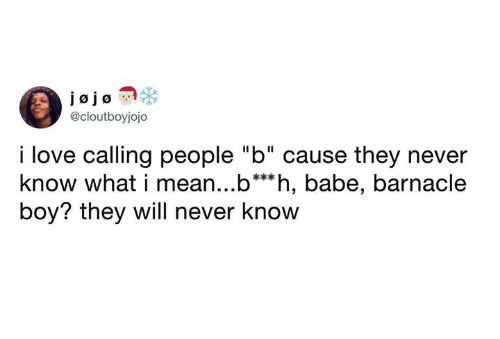
Babe or Bro – What Does ‘B’ Really Mean?
The growing rate of slang and abbreviations in online messaging has dramatically impacted language use in everyday conversation. Internet slang has made its way into real-world speech, and now, dictionaries! Words such as ‘FIL’ (father in law) and ‘FOMO’ (fear of missing out) are featured in the Oxford Online Dictionary. Sometimes, however, slang is lost…
-

Chinese – A Tenseless Language?
“‘Love’, this English word: like other English words it has tense. ‘Loved’ or ‘will love’ or ‘have loved’. All these specific tenses mean love is time-limited. Not infinite. It only exist in particular period of time. In Chinese, love is ‘爱’ (ai). It has no tense. No past and future. Love in Chinese means a…
-
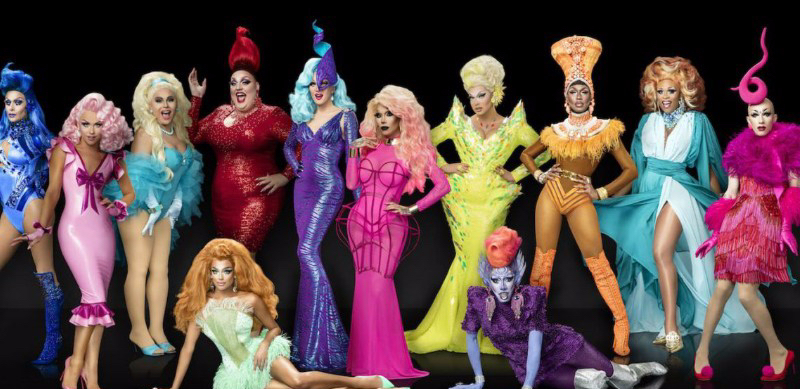
Now Sissy That Walk – The Language of Drag Culture
At long last, the world of drag queens has moved from the underground dive bars of New York City and become a part of mainstream pop culture around the world thanks to RuPaul’s Drag Race, a competition that puts drag queens through their paces to find the next drag superstar. Despite being shown on American…
-

Two Weeks in Geneva
Photo credits: flixbus.com A few months ago, I found myself totally out of my depth at a human rights summer school in Geneva, with peers much older, smarter, and more experienced than me. If you, like me, have always been an overachiever (and may have potentially peaked at 18 but are trying not to think…
-

It’s a post-truth world after all…
Photo credits: veritcalresponse.com Oxford Dictionaries have named ‘post-truth’ as their 2016 word of the year, and what a great word it is. Don’t get me wrong, it is terribly depressing that we are in a post-truth world, but in terms of linguistic selection a valiant choice has been made. ‘Post-factual’ sounds a bit more fancy…
-
Baby Talk: What and Why?
‘Baby talk’, also referred to as motherese, caregiver speech and Infant Directed Speech (to name a few) is a term regularly used in Linguistics – specifically in the study of Child Language Development – to describe the way adults talk to young children. Agreed by a range of Linguists, ‘baby talk’ is a widely accepted…
-

Plantain: The Age Old Debate
There is only one question which has been befuddling mankind since the dawn of time. It does not have to do with the sequential beginnings of the chicken nor does it involve our purpose on this earth. It is a topic which embodies true happiness and delight, one that changed my life for the better.…
-
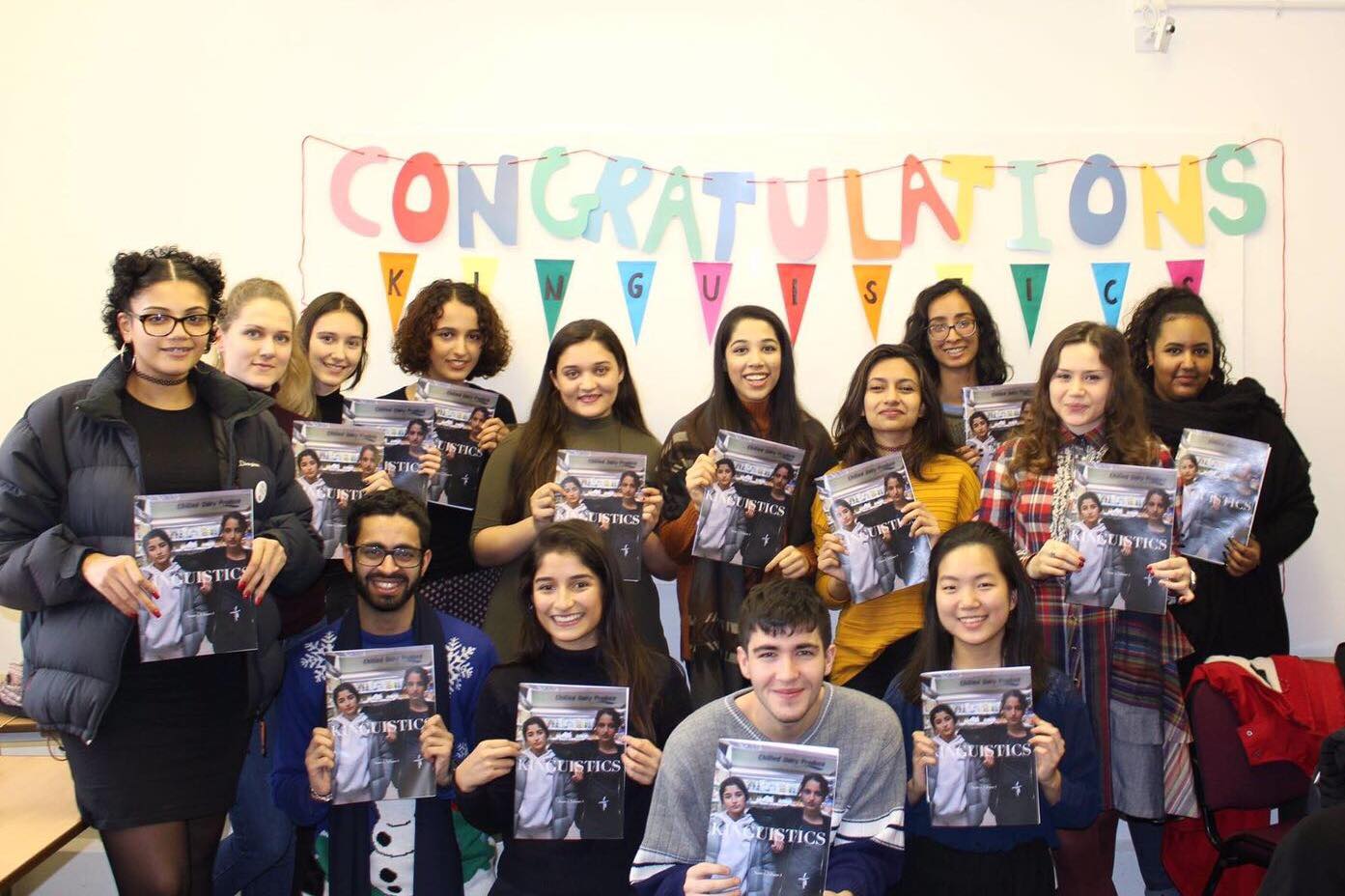
The More the Merrier: Why it’s a good thing to get non-academics interested in language
Most people don’t think about the words they use every day, and yet everyone just gets it without conscious analysis. Most people certainly do not write a 10,000-word report on an interaction they just had with a telephone fundraiser, or any other banal everyday occurrence, for sure. They are normal people. And yet, ordinary people…
-

The Self-Made Celebrity
Photo credits: kimoji The rise and power of social media has shaped this generation, from the way we document our lives to the way we communicate, with its power even transcending to how one becomes famous. Gone are the days where people were celebrated members of society for their contributions to film, say, or sport.…
-
Insert Emoji Here
Note: This article is not meant to be read as a conversation between two people.
-
Language Lessons from the Cool Kids
Photo credits: Marwa Fichera With words such as ‘selfie’ and ‘twerk’ now sitting comfortably in the Oxford dictionary, the term to ‘google’ ‘literally’ becoming a ‘thing’, many people have been left lost for words. In the UK, commentary surrounding language change is often a popular and persistent topic for television talk shows, newspaper editorials, and articles. Accordingly,…
-

Learning from Eloquent (and not so eloquent) Speakers
Photo credits: https://pronunciationstudio.com/david-crystal/ A few weeks ago I went to a talk from the one and only David Crystal, linguist supreme. The event was part of the annual Birmingham Literature Festival and he was there to talk about eloquence and what it means to be a great public speaker. For many of us, public speaking of…
-

Get what I meme?
Photo credits: memegenerator.net In 1986, it was declared by Richard Dawkins that ‘What lies at the heart of every living thing is not a fire, not warm breath, not a ‘spark of life.’ It is information, words, instructions,”. 30 years later, his statement is more relevant than ever. We are surrounded by information that we consume…
-
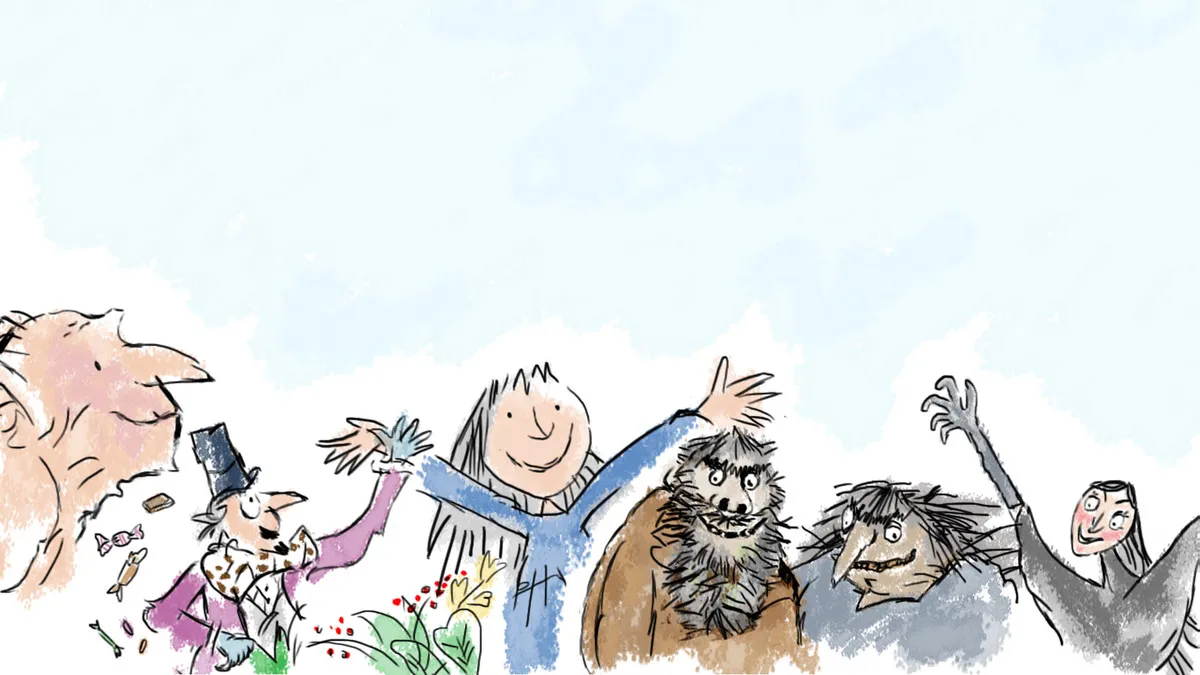
The Language of Roald Dahl
Photo credit: www.theloop.com.au Happy new academic year! Okay, so that doesn’t have as much festiveness as I hoped. Instead, let’s wish Happy 100th to Roald Dahl. Yes, Roald Dahl’s centenary has just passed and I’m sure many of you, like me, loved reading his books and getting lost in his imaginative world. From Willy Wonka…
-

“No one, not even the Pope, is getting anything on my phone.”
– by Ishita Jhunjhunwala Lecture Capture, a part of Echo360’s drive towards active learning and access to education, has been a topic of much debate on university campuses for the past couple of years. The recurrence of the topic amongst students and staff of the KCL Social Science and Public Policy department led to a…
-

‘Spicy Latina’: a stereotype upheld by Language
Photo credit: seventeen.com The name says it all. One of TV’s most recognized tropes; the sultry, sizzling, spitfire in a red dress depiction of Latin women can be traced back to the 1940s and characters such as Lupé Vélez and Dolores Del Rio playing ‘Latina spitfire’ roles which saw them through the Golden Age of Mexican cinema. Nowadays, a quick flick through…
-
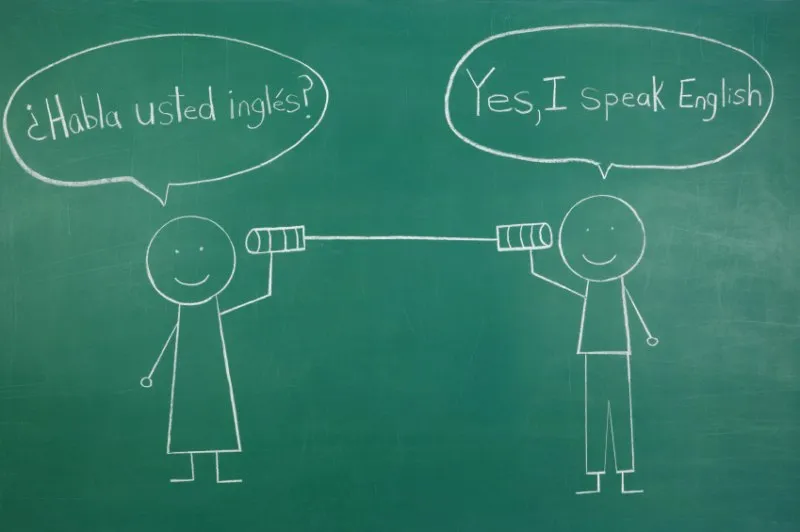
5 (not so) UNBELIEEEEEVABLE but slightly random differences between English and Spanish.
Photo credit: www.portada-online.com Here it is. At last. The non-exhaustive list of slightly interesting differences between Spanish and English that you didn’t know you have been waiting your entire life for. Without further ado, in no particular order, let’s start ‘THE TOP 5 INSANE DIFFERENCES BETWEEN THE SPANISH LANGUAGE AND THE ENGLISH LANGUAGE, OR MORE PRECISELY JUST DIFFERENCES IN…
-

The scramble for English
English. It is known as the world’s second language, and for more reasons than we think. An astonishing two billion of the world’s population is learning English as a second language, while in China, the idea of learning English far surpasses personal desire and is implemented by law from the third grade. It is the…
-

What is going on with the English Language?
Photo credit: www.indianyouth.net Learning English as a second language in school I always thought English is the simplest language there is. Most people in the world speak it, so it can’t be that difficult. I mean, let’s be serious, in contrast to most other European languages there is only one article and apart from a…
-
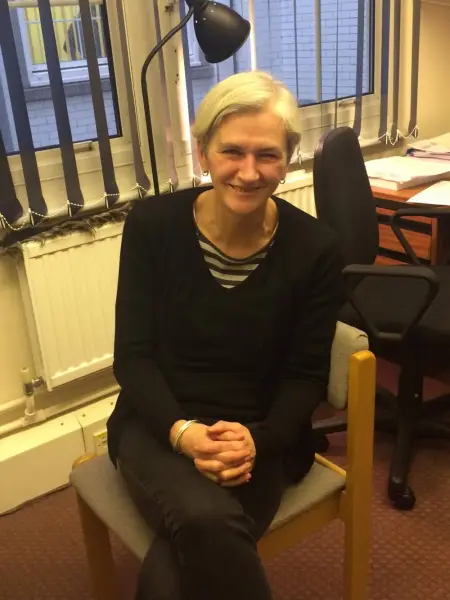
Out of Hours with Mel
– by Hiba Shamsi Note: I interviewed Dr Melanie Cooke because she teaches “Introduction to Sociolinguistics” in First year and that was the course I scored my highest in, so obviously she has a special place in my heart. She currently works as a lecturer and researcher for the Department of Education and Professional…
-
Claire: ‘Hard Copies no longer necessary’
Departmental policy change hailed by students – by Sameer Merali The dreaded 9.50am hard copy assignment submission requirement is to be scrapped from September, Kinguistics has learned. Claire Cooper, senior taught programmes officer revealed the news recently to students’ delight.
-
Listen to your mother and Know Your (Email) Manners!
– by Sameer Merali After a recent email sent to all undergrads about only sending important, respectful emails to staff, here we can exclusively reveal some that are probably best left unsent…
-
ISIS and its English Language Propaganda
This response and summary was written up following a Language and Popular Culture Lab presentation in February 2016.
-

The ‘N’ Word: Semantic Change and Orthography.
Photo credit: cnn.com – by Jhelisa Graham There is no dispute that the ‘N’ word has become a widespread expression, often realised as a term of endearment within and amongst the black community. It is not necessary to discuss who should and should not be able to use the word (but if you find yourself…
-
Linguistic Trust Issues
– by Farhana Bokth While it may be perceived by many that speech perception is typically auditory, it has been found contrary to popular belief, that visuals are just as important as audio. This multi-modal phenomenon is specifically known as the McGurk Effect. Psychologist McGurk and his assistant MacDonald accidentally discovered this illusion when the…
-

Hello! Namaste! Ni Hao! Bonjour!
– by Sama Saraf and Andrea Lim It has been 1.5 terms, 5 months, 24 weeks and 168 days since we first set foot in London. After living here for a period of time we would like to share with you our experiences and observations thus far– from understanding the peculiar obsession with tea to…
-

‘Speaking’ Spanish?
– by Luke Hoskisson ‘What do you study?’ ‘Linguistics’ ‘Oh cool, how many languages do you know?’ ‘Erm… I know a lot about English. Oh. And I know the International Phonetic Alphabet!’