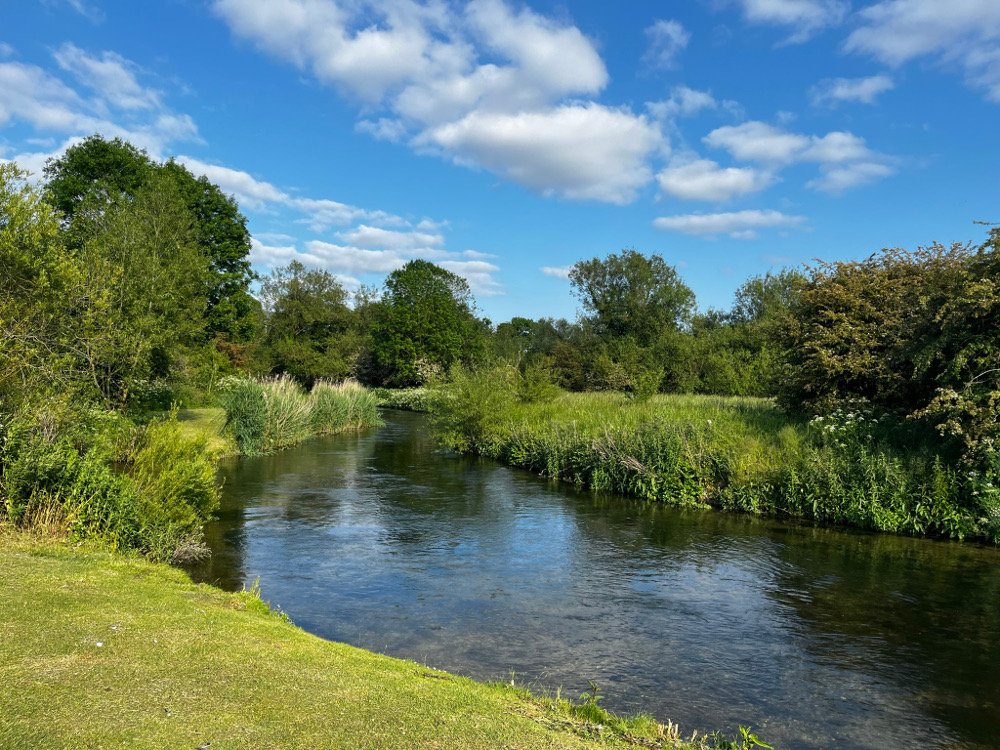
The River Avon runs from South Gloucestershire to Somerset. It extends from Northamptonshire to Tewkesbury. Or from Salisbury to the English Channel. There is either a very confused cartographer, or multiple rivers with the same name. In fact, in the British Isles alone, there are seven River Avon’s, all resulting from miscommunication hundreds of years ago. When settlers arrived in Britain and demanded that the Celtic population tell them the name of a nearby river, the reply was Avon. Thus, various rivers would obtain their names from the Celtic word for the river.
The lack of ability to communicate straight away is a clear hurdle that has led to many global naming issues.
There are many instances of miscommunication between settlers and natives that have long-lasting linguistic impact. The Conquistadors’ arrival in 1517 in modern-day Mexico led to their communication with indigenous Mayans. The colonial settlers wanted to know the name of the region, and the reply was “Tectetán,” meaning “I don’t understand you.” A further wrong transcription of this interaction has led to the name of both a region and peninsula being called “Yucatán.”
The etymology of placenames can provide clear evidence of the unwanted presence of colonists. Lake Wendouree in Victoria, Australia gets its name from the local Aboriginal word “wendaaree” meaning “go away”. Colonial settler William Cross Yuille asked a local indigenous woman to name the lake, which was her reply.
In another instance in Canada, the etymological roots are from the St Lawrence Iroquoian word “Kanata” meaning, village. The French arrived in modern-day Quebec in 1535 and asked the local people for the name of the area. Instead, they pointed in the direction of their local village and replied with “Kanata.” The French expedition was misunderstood, assuming that they were referring to the entire region. The subsequent result of this misunderstanding is obviously that the second largest country in the world’s name means “village.”
Similarly, Istanbul has etymological roots in the Medieval Greek phrase “εἰς τὴν Πόλιν,” pronounced “is tim bolin.” The phrase means “to the city” and is how Constantinople was referred to by the Greeks, because it was the only city in the area. Istanbul eventually became more frequently used than Constantinople and formally changed in 1930.
However, it is not just miscommunication between settlers and native populations. German soldiers stationed in France during the Napoleonic Wars inquired, “Wass ist das?” for windows on the roofs of French buildings. Hence, the French word “vasistas” became the official name.
Due to the vast differences between the Slavic and German languages, the two populations could not understand each other despite being neighbours. The result of this was the Polish population referring to the area of Germany as “Niemcy,” having roots in the Slavic word meaning “mute.” The theory is that German was so starkly different that they could not understand anything being said and settled on “Niemcy.” The name for Germany today is still “Niemcy” in Polish, and some variations of this name are present in many other Slavic languages such as Croatian, Czech, and Slovene.
Several other etymological myths exist. One story is that James Cook saw the animal while exploring and asked a locale for the name. The local replied “Gangurru,” a Guugu Yimithirr word referring to Eastern grey Kangaroos. Over time, this retelling has been contorted, and one popular misconception is that “Gangurru” means “I don’t know.” Some linguists have worked very hard to disprove this theory from as early as 1898, but others remain adamant that “I don’t understand” is the root.
The etymology of words resorting to confusion between the two groups appears incredibly common. However, they are incredible tools for understanding the evolution of language and how those who have no way to do so attempt to communicate.
Leave a Reply